
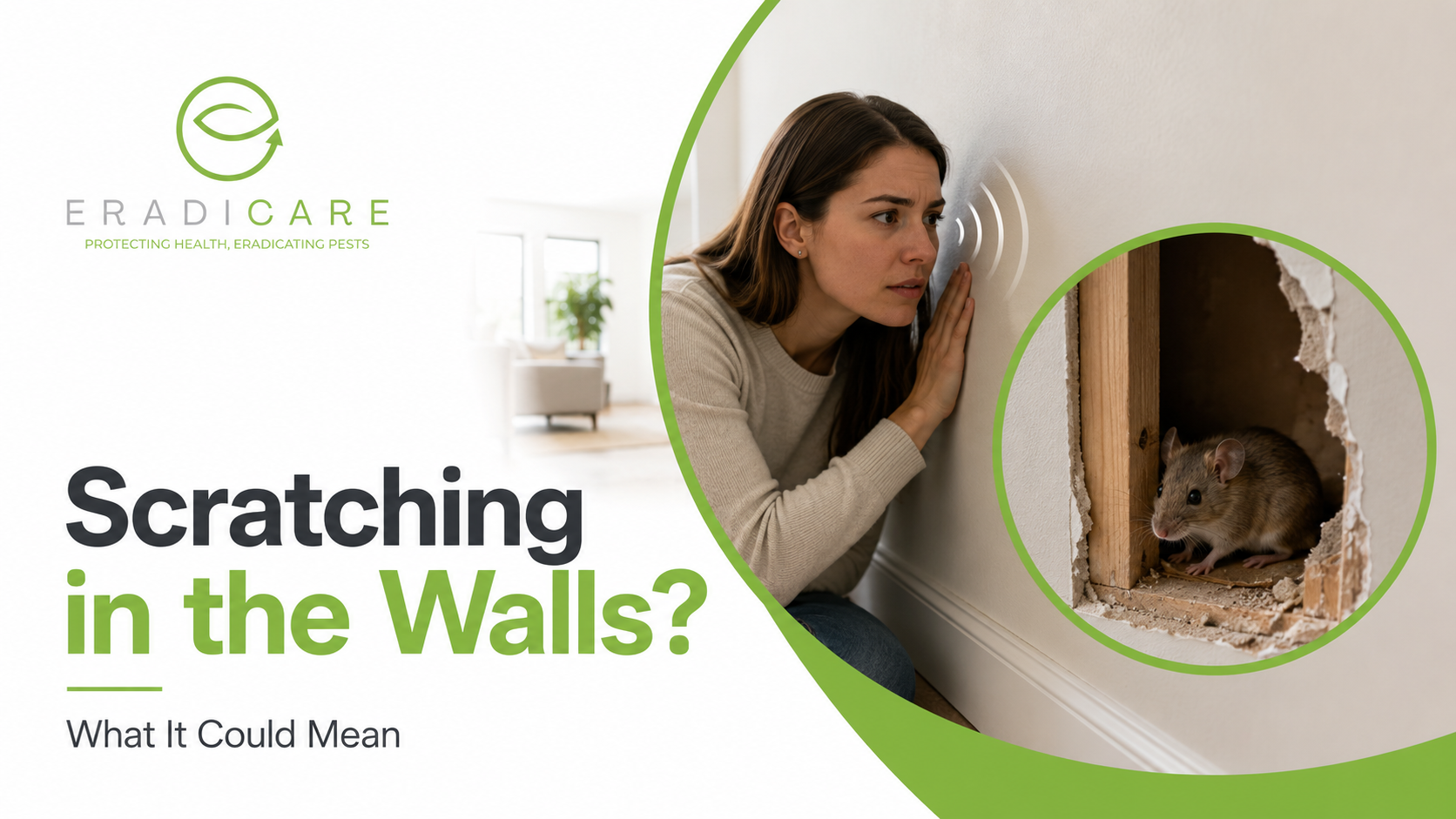
Scratching or cracking sounds inside a wall can come from mice, rats, insects, wildlife, plumbing, heating ducts, or normal movement in the building. The sound alone usually cannot confirm the cause.
Timing and physical evidence offer better clues. Repeated nighttime scratching with droppings or damaged food may point to rodents. Dry rustling near frass and large ants can suggest carpenter ants. Buzzing beside an exterior wall may indicate insect activity, while clicking linked to heating or water use often has a mechanical cause.
This guide explains how to investigate scratching sounds in walls around Ottawa properties without opening drywall, destroying useful evidence, or calling the wrong service provider.
The Quick Answer
Repeated scratching after dark often raises suspicion of mice or rats, particularly when droppings, gnaw marks, damaged packaging, or an entry gap appear nearby.
Heavier movement in an attic or ceiling during the day may be more consistent with squirrels, birds, or another wildlife species. A faint, dry rustling sound near damp wood could come from carpenter ants when frass, large ants, or repeated trails are also present.
Buzzing around a soffit, siding gap, roof edge, or exterior wall can suggest wasps or another flying insect. Cracking and clicking that follow heating cycles, water use, strong wind, or temperature changes may instead come from pipes, ducts, trim, or other building materials.
Start by recording when and where the sound occurs. Then look for evidence in the room, nearby spaces, and the matching exterior area.
When the source remains hidden but the activity continues, Pest Inspection Ottawa may be more useful than cutting into the wall or trying several unrelated treatments.
Match the Sound With the Evidence
The sound pattern can narrow the possibilities, but it cannot confirm a pest by itself.
The most useful assessment combines the type of noise with its timing, location, frequency, and supporting evidence.
Light Scratching After Dark
Light scratching, scurrying, or short bursts of movement after dark may fit mouse activity.
Mice can travel through wall voids, cabinet gaps, ceilings, basements, and spaces around plumbing. Their movement can sound surprisingly loud because drywall and enclosed cavities amplify small noises.
Check for droppings, damaged food packaging, gnaw marks, shredded material, and gaps around pipes or cabinets.
Rats can create similar sounds, although their movement may seem heavier. Noise level alone cannot reliably distinguish a mouse from a rat.
Heavier Daytime Movement Above a Ceiling
Movement that is most noticeable during daylight, especially near an attic or roofline, may suggest squirrels, birds, or another wildlife species.
Instead of light scratching in one spot, you may hear rolling, thumping, nesting, or movement across insulation.
Inspect the exterior from the ground for damaged soffits, loose vents, roof openings, nesting material, or repeated animal traffic.
Wildlife work may require a provider with specific expertise and equipment. A general pest-control company may not handle every animal species.
Dry Rustling Near Damp Wood
Carpenter ants may produce a faint, dry rustling sound inside wood or another enclosed cavity.
That sound becomes more meaningful near a damp window, plumbing wall, roof transition, porch connection, or another moisture-affected area.
Look for large ants, winged ants, coarse sawdust-like frass, and repeated traffic through one opening.
The article Hearing Cracking Sounds in Your Walls? It Could Be Carpenter Ants explains those signs in greater detail.
Buzzing Near an Exterior Wall
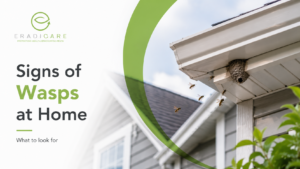
Persistent buzzing near siding, soffits, fascia, roof edges, windows, or exterior walls may indicate wasps or another flying insect using a structural cavity.
Watch the outside of the property from a safe distance. Repeated insects entering and leaving the same opening provide much stronger evidence than sound alone.
Do not block the opening while insects remain active. They may find another route or begin emerging inside.
Wasp and Hornet Removal Ottawa may be appropriate when insects repeatedly enter the structure, appear indoors, use a difficult-to-reach opening, or nest close to people.
Clicking After Heating Starts
Clicking, popping, or cracking that begins when the heating or cooling system starts may come from ductwork or building materials changing temperature.
Metal ducts expand and contract. Pipes, framing, siding, and drywall can also shift slightly as temperatures change.
A predictable sound that follows system operation, with no droppings, gnaw marks, insects, odours, or entry points, may not involve pests.
An HVAC or building assessment may be a better next step when the timing clearly follows the equipment.
Ticking Near Plumbing
Ticking, knocking, or movement beside a kitchen, bathroom, or plumbing wall may relate to water flow, pipe expansion, or a leak.
Check whether the noise begins when a shower, toilet, dishwasher, washing machine, or tap is used.
Staining, bubbling paint, swollen trim, damp flooring, and musty odours can point to a moisture problem.
Contact a plumber or suitable building professional when leakage is suspected. Pest treatment cannot repair a plumbing defect.
Why Wall Sounds Can Be Misleading
The place where you hear a sound may not be where it begins.
Wall cavities, joists, ducts, pipes, ceilings, and framing can carry noise across a building. Activity above a kitchen may seem to come from inside a cabinet wall. Movement near an attic edge can sound as though it is directly above a bedroom.
Before focusing on one piece of drywall, check the rooms above, below, and on the opposite side.
Inspect the matching exterior wall as well. Gaps around vents, cables, pipes, windows, soffits, and foundation joints may connect with the area where the sound is heard.
The apparent location can also change as the source moves. A rodent may travel through several cavities, while pipes and ducts can transmit one fixed sound across a wider area.
Do not drill into a wall to find the source. Wiring, plumbing, insulation, vapour barriers, and other concealed materials may sit behind the surface.
A simple sound log often provides more useful information than opening the wall without a clear plan.
Scratching and Gnawing From Mice or Rats
Mice and rats are common concerns when scratching, scurrying, or gnawing occurs after dark.
Walls may provide protected routes between food, water, shelter, and exterior entry points. The actual nesting area could be in a basement, attic, garage, insulation cavity, storage space, or another concealed location.
Physical evidence is more reliable than the sound itself.
Signs to Check Around the Room
Look for droppings along wall edges, under sinks, inside lower cabinets, around appliances, and near stored food.
Gnaw marks may appear on packaging, trim, plastic containers, pipe coverings, or other accessible materials. Shredded paper, fabric, or insulation can suggest nesting activity.
Check dry goods, pet food, birdseed, and waste areas for damage.
An unusual smell may come from urine, nesting material, contamination, moisture, or an animal that has died in an inaccessible space. Odour alone will not identify the species or exact location.
Rodents in Ottawa: Identification, Signs and Risks can help you compare evidence associated with mice and rats.
Why Rodent Sounds Are Often Heard After Dark
Mice and rats are often easier to hear once the property becomes quiet.
They may leave protected areas to search for food and water after occupants settle for the night. With less background noise, even small movements become noticeable.
Nighttime activity supports the possibility of rodents, but it does not prove their presence. Carpenter ants, building systems, and other animals may also become more noticeable after dark.
Look for a repeated pattern rather than reacting to one brief sound.
Record when the activity starts, how long it continues, whether the noise moves, and whether it changes when lights or appliances are switched on.
Common Rodent Routes Through a Building
Rodents may enter through gaps around foundations, doors, vents, siding, roofs, pipes, cables, and attached structures.
Once indoors, they often follow edges and hidden routes. Basement ceilings, pipe chases, cabinet voids, wall cavities, attic spaces, and garage connections can all provide protected movement.
A noise inside a kitchen wall does not mean the entry point is in the kitchen. The rodent may have entered through the foundation, roofline, garage, or a utility opening.
Rodent proofing should target confirmed access points with materials suited to the opening and building component.
Sealing one visible gap without understanding the route may leave another opening active or trap an animal inside the structure.
Professional Rodent Control Ottawa becomes more appropriate when droppings continue, activity affects several rooms, rats are suspected, or the entry route cannot be found.
Dry Rustling From Carpenter Ants
Carpenter ants may produce a faint, dry rustling sound inside a wall, hollow door, ceiling, or section of wood.
They excavate wood to create nesting galleries rather than consuming the material as food. During excavation, the colony may push coarse debris called frass out of the nesting area.
Frass can resemble sawdust or small wood shavings. It may collect beneath trim, window frames, baseboards, ceiling joints, or small openings in wood.
Large ants repeatedly using one gap provide another useful clue. Activity near damp or decaying wood deserves closer attention because moisture-affected material can be easier for the colony to excavate.
Sound alone still cannot confirm carpenter ants. Rodents, pipes, ducts, and normal building movement can create similar noises.
Avoid spraying every visible ant before tracing the route. Killing foraging workers may remove useful evidence without reaching a hidden colony.
Professional Ant Control Ottawa may be suitable when frass returns, indoor winged ants appear, large ants repeatedly enter a wall, or the suspected nesting area cannot be reached.
Buzzing From Wasps or Other Insects
Buzzing inside an exterior wall may come from wasps, bees, flies, or another insect. Ventilation equipment and other mechanical sources can produce similar sounds.
Watch for insects repeatedly entering and leaving one opening around siding, soffits, fascia, rooflines, vents, or window frames.
A few insects flying near the property do not confirm a wall nest. Consistent traffic through the same gap is more meaningful.
Wasps appearing indoors near an upper wall, ceiling light, window, or attic access may suggest that insects are using a concealed route.
Do not place your face, hands, or tools near the suspected opening. Avoid working from a ladder around active stinging insects.
Blocking the entrance may force the insects to find another route into the building.
Professional service becomes more appropriate when the nest is concealed, high above ground, beside an entrance, or located near children, pets, customers, or anyone with allergy concerns.
Daytime Movement From Squirrels or Wildlife
Louder movement in an attic, roof, or ceiling during the day may involve squirrels, birds, or another wildlife species.
Wildlife can produce scratching, thumping, rolling, and nesting sounds. The activity may be strongest early in the morning or during daylight rather than late at night.
From the ground, inspect the exterior for damaged soffits, loose vents, roof gaps, nesting material, or repeated animal movement.
Do not climb onto the roof or reach into an occupied opening.
Bats, birds, squirrels, and raccoons may require different handling, timing, exclusion methods, and legal considerations. Young animals may also be present during nesting periods.
Contact an appropriate wildlife specialist when the evidence points to an animal outside Eradicare’s confirmed pest-control services.
Non-Pest Reasons Walls Make Noise
Not every scratching or cracking sound comes from an animal or insect.
Building systems, weather, temperature changes, and loose exterior materials can all create sounds that travel through walls and ceilings.
Plumbing and Water Movement
Pipes may tick, knock, or move as water temperature and pressure change.
The noise often follows water use and stops after the plumbing settles. Loose pipe supports can make the movement more noticeable.
Dripping sounds require closer attention, especially when accompanied by stains, swelling, damp odours, or peeling paint.
A suspected leak should be checked by a plumber or building professional.
Heating Ducts and Temperature Changes
Metal ductwork can pop or crack as it heats and cools.
Wood, siding, drywall, roofing, and other materials may also expand and contract as temperature and humidity change.
Ottawa’s seasonal temperature swings can make these sounds more noticeable around heating systems, roofs, exterior walls, and home additions.
A predictable noise tied to equipment operation, without pest evidence, may point away from an infestation.
Wind, Branches and Loose Exterior Materials
A branch touching siding, a loose vent cover, damaged trim, or an exterior cable can tap or scrape against the building.
Because walls carry vibration, an outdoor sound may seem to come from inside.
Check the exterior during daylight from a safe position. Note whether the sound appears only during windy conditions.
Do not climb onto a roof or use an unstable ladder to investigate.
What to Check Before Calling Pest Control
A few careful observations can make an inspection more focused and help determine whether pest control is the right service.
Record the Time and Location
Write down the exact room, wall, approximate height, and time of the noise.
Record how long it lasts, how often it returns, and whether the sound moves.
Note whether it follows darkness, daylight, rain, wind, heating, cooling, or water use.
A short audio or video recording may help demonstrate the pattern, although sound quality alone is unlikely to identify the source.
Look for Physical Evidence
Check accessible areas for droppings, gnaw marks, damaged food, nesting material, frass, insect bodies, stains, odours, and damaged vents.
Inspect under sinks, around appliances, inside lower cabinets, near stored food, around attic or basement access, and along wall edges.
Do not handle unknown droppings, contaminated insulation, or damaged electrical material without suitable guidance.
Photograph evidence before cleaning or moving it.
Inspect the Matching Exterior Area
From the ground, inspect the exterior wall that corresponds with the indoor sound.
Look around pipes, cables, siding joints, foundation gaps, soffits, vents, roof intersections, windows, and doors.
Watch for insect traffic, animal movement, damaged screens, gnawing, stains, and loose building components.
The entry point may not sit directly opposite the noise. Pests can move through several connected cavities before becoming audible.
What Not to Do
Do not cut into drywall based only on a sound.
Walls may contain wiring, pipes, insulation, ductwork, and other materials that can be damaged by drilling or cutting.
Avoid placing unprotected rodent bait inside a wall. Product use, placement, and precautions must follow the Canadian label.
Bait in an inaccessible cavity also makes monitoring difficult. If an animal dies inside, odour and removal problems may follow.
Do not combine several pest-control products or place traps where children and pets can reach them.
Avoid sealing a suspected active opening before you know what is using it. Closing the route too early may trap an animal or redirect movement elsewhere.
Do not immediately sweep or vacuum unknown droppings without first reviewing appropriate cleanup guidance.
Pest control also will not repair damaged wiring, leaking pipes, roofing, drywall, insulation, or structural materials. Those issues may require other qualified providers.
DIY Monitoring Versus Professional Inspection
DIY observation is reasonable when the sound is brief, no immediate hazard is present, and accessible areas can be checked safely.
You can record the timing, photograph evidence, inspect food and storage areas, check visible gaps, and watch the matching exterior wall.
Suitable traps may help with a limited and confirmed mouse problem when they can be placed, protected, and checked properly.
DIY becomes less practical when the source is concealed, several areas are affected, rats or wildlife may be involved, or children and pets make trap and bait placement difficult.
Professional inspection is also more useful when droppings return, food damage continues, sounds recur, or you cannot tell whether the source is a rodent, insect, wildlife species, or building system.
The DIY vs Professional Pest Control Ottawa guide can help you compare cost, access, safety, and treatment complexity.
The aim is not to call a professional for every isolated sound. It is to avoid repeated guessing when the evidence points to active movement inside the property.
What a Professional Pest Inspection May Include
A pest inspection should begin with the reported sound pattern and any physical evidence you have found.
The technician may review photographs, droppings, gnaw marks, frass, insect specimens, odours, damaged packaging, and previous trap or product use.
Accessible indoor areas may include kitchens, basements, attics, garages, utility spaces, cabinets, and rooms surrounding the noise.
An exterior review may focus on foundations, doors, vents, pipe gaps, soffits, siding, roof connections, utility openings, and vegetation touching the building.
The inspection should help determine whether the evidence fits mice, rats, carpenter ants, wasps, another pest, or no confirmed pest source.
Monitoring may be recommended when immediate confirmation is not possible.
A clear service recommendation should explain the suspected pest, affected areas, possible entry routes, treatment limitations, and any separate repairs that may be required.
How to Prepare for Pest Control Treatment can help you preserve evidence, provide access, and explain previous DIY work.
Pest Control, Wildlife Service or Building Repair?
The right provider depends on the evidence rather than the sound alone.
Rodent droppings, gnaw marks, damaged food, and repeated nighttime scratching generally support contacting a pest-control provider.
Large ants, frass, indoor winged ants, or a repeated trail into damp wood support ant identification and possible treatment.
Repeated wasp traffic through one wall or soffit opening may require a stinging-insect service.
Heavy daytime attic movement, roof damage, bird nesting, bat activity, or signs of a larger animal may require a wildlife specialist.
Water staining, dripping, and pipe-related noises point towards plumbing or building assessment.
A burning smell, smoke, sparking, or visible wire damage requires an electrician or appropriate emergency response rather than routine pest control.
Clicking that follows heating equipment may call for an HVAC assessment.
Choosing the right provider first can reduce delays and prevent unnecessary treatment.
Wall Sounds Around Children and Pets
Children and pets affect how traps, bait, monitoring devices, and treated areas should be managed.
Do not place control products where they can be touched, moved, opened, or eaten.
Tell the pest-control provider about young children, dogs, cats, birds, reptiles, aquariums, and small animals before monitoring or treatment begins.
Pet food and water areas may attract rodents, ants, and other pests. Store food securely and clean spills without interfering with the animal’s care needs.
A pet staring at or pawing near a wall may help locate the general area of activity. It cannot identify the species.
Pet-Safe Pest Control should refer to planning around the pest, treatment method, product, placement, property, and animal. It should not be presented as a universal safety guarantee.
Ottawa Seasonal Clues
The season can help narrow the possibilities, but it cannot identify the source by itself.
During fall, mice and rats may explore buildings for stable shelter, food, and warmth. Exterior inspection and rodent proofing are particularly useful before winter.
Cold weather can make indoor rodent activity easier to notice because people spend more time inside and homes are quieter at night.
Spring may reveal wildlife activity around roofs, attics, and soffits. Winged ants and other insects also become more visible as temperatures rise.
Summer brings increased wasp traffic, open windows, patio food, and activity around siding and rooflines.
Temperature changes can also cause pipes, ducts, framing, siding, and roofing materials to expand or contract. Seasonal timing should therefore be considered alongside droppings, frass, insect traffic, odours, and entry gaps.
Scratching Sounds in Apartments and Rentals
Sounds in an apartment or townhouse may travel through shared walls, ceilings, plumbing routes, and structural cavities.
The source could be another unit, a corridor, roof space, service area, or shared exterior component.
Tenants should report recurring wall noises and suspected pest evidence promptly.
Provide the room, time, frequency, photographs, droppings, insect specimens, damage, odours, and details of any products already used.
Avoid opening walls or applying several treatments without coordinating with the landlord or property manager. Unplanned work may interfere with inspection or affect neighbouring spaces.
The property manager may need to coordinate access, monitoring, treatment, entry-point repair, communication, and reinspection.
Residential Pest Control may be more suitable than one-unit DIY treatment when shared routes or connected areas are involved.
Responsibility in an individual dispute depends on the property condition, tenancy circumstances, and current rules. An appropriate housing authority or legal professional may need to advise on specific cases.
Wall Noises in Ottawa Businesses
Businesses should document unexplained wall activity before staff begin setting traps, spraying products, or sealing openings.
Record the sound location, timing, physical evidence, food damage, odours, sightings, and any history of leaks or maintenance issues.
Restaurants, cafés, warehouses, offices, hotels, schools, daycares, and healthcare settings may have suspended ceilings, service walls, loading areas, storage rooms, utility routes, and restricted spaces that complicate inspection.
Food and sensitive facilities may also require controlled access, monitoring records, treatment documentation, sanitation measures, and staff communication.
Commercial Pest Management may suit properties that need coordinated inspection, recurring monitoring, and a written response across several areas.
Building management should arrange electrical, plumbing, roofing, wildlife, cleaning, or structural work when the evidence falls outside the pest-control scope.
How Much Does a Wall-Pest Inspection Cost?
Cost depends on the suspected cause and how difficult the affected area is to inspect.
A visible mouse route in an accessible basement involves a different scope from rats behind walls, carpenter ants near a roof leak, or wildlife inside an attic.
The number of affected rooms, property type, attic or crawl-space access, monitoring needs, treatment plan, proofing work, and follow-up may all influence the quote.
Previous DIY work can also affect the inspection when products, traps, or sealed openings have changed the original pattern.
Electrical repairs, plumbing, wildlife removal, roof work, contaminated-material cleanup, drywall access, and carpentry may be priced separately.
Ask for a written estimate that explains the areas to be assessed, what the service includes, whether monitoring or follow-up applies, and which work falls outside the scope.
Pest Control Cost Ottawa provides broader guidance on factors that affect pest-control pricing.
How to Prevent Pests From Entering Walls
Prevention starts by reducing access to food, water, shelter, and structural openings.
Inspect foundations, siding, soffits, vents, doors, windows, roof connections, and utility penetrations for gaps.
Rodent-proofing materials and methods should match the opening and the part of the building being repaired. Temporary filler may not provide durable protection.
Repair damaged screens, vents, door sweeps, siding, fascia, and exterior trim. Address roof and plumbing leaks that may support insects or damage building materials.
Store food, pet food, birdseed, and waste in suitable closed containers. Clean crumbs, grease, and spills around kitchens, feeding areas, and storage spaces.
Reduce clutter where practical so new evidence and entry routes remain visible.
Trim branches and vegetation that touch the property. Keep firewood and stored materials away from exterior walls where possible.
Proofing should generally follow the identification and control of active routes. Sealing too early may trap an animal or redirect movement.
Continue monitoring after the noise stops. Watch for fresh droppings, damaged food, frass, insect activity, odours, or a change in the sound pattern.
What to Do After Pest Control Treatment provides broader monitoring and prevention guidance after service.
Frequently Asked Questions
What Usually Causes Scratching Sounds Inside Walls at Night?
Mice and rats are common possibilities, but nighttime noise alone cannot confirm rodents. Look for droppings, gnaw marks, damaged food, nesting material, and possible entry gaps.
How Can I Tell Whether the Noise Is a Mouse or a Rat?
Sound alone cannot reliably distinguish mice from rats. Dropping size, gnaw marks, sightings, travel routes, and other physical evidence provide better clues.
Can Carpenter Ants Make Cracking or Rustling Sounds?
An active carpenter ant colony may produce faint, dry rustling. Carpenter ants become more likely when the sound appears with frass, large ants, winged ants, or activity near damp wood.
Do Squirrels Make Noise Inside Walls or Only in Attics?
Squirrels may move through attics, roof spaces, soffits, and connected cavities. Their activity is often heavier and more noticeable during daylight than typical mouse movement.
Can Wasps Create Buzzing Sounds Behind Drywall?
Yes. Wasps or other flying insects may create buzzing inside a structural cavity. Repeated insects using one exterior opening provide stronger evidence than sound alone.
Why Does the Noise Seem to Move Between Rooms?
Walls, joists, pipes, ducts, and ceilings can carry sound away from its source. A moving animal may also travel through several connected cavities.
Should I Cut Open the Wall to Look for the Pest?
No. Do not open drywall without knowing what is behind it. Record the activity, inspect accessible areas, and arrange an appropriate assessment when the source remains concealed.
Should I Seal the Hole Where the Sound Is Coming From?
Do not seal a suspected active route until you know what is using it. Sealing too early may trap an animal or redirect activity elsewhere.
Is It Safe to Place Rodent Poison Inside a Wall?
Rodenticide should not be placed casually inside a wall. Any pesticide must be registered for the pest and location and used exactly according to its Canadian label.
What Should I Do If There Is a Bad Smell Inside the Wall?
Record where the odour is strongest and look for pest, moisture, or building evidence. A persistent smell may require pest, wildlife, plumbing, cleaning, or building assessment.
Who Handles Wall Pests in an Ottawa Rental Property?
Tenants should report suspected pest activity to the landlord or property manager. Shared walls and common routes may require coordinated inspection, access, treatment, and repair.
How Much Does a Pest Inspection for Wall Sounds Cost?
Cost depends on the suspected source, affected areas, access, monitoring, treatment scope, proofing, and follow-up. Ask for a written estimate explaining what is included.
Still Hearing Scratching Inside the Wall?
One brief sound may come from the building rather than a pest. Repeated noise combined with droppings, gnaw marks, frass, insect traffic, odours, damaged food, or an entry gap deserves closer investigation.
For help assessing suspected pest activity in an Ottawa property, call Eradicare Pest Control at 613-366-4444. Explain where the noise occurs, when you hear it, whether it moves, and which physical signs you have found.