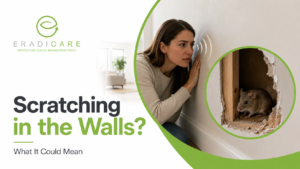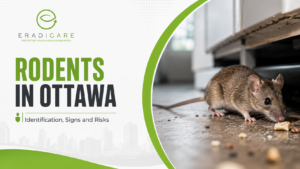

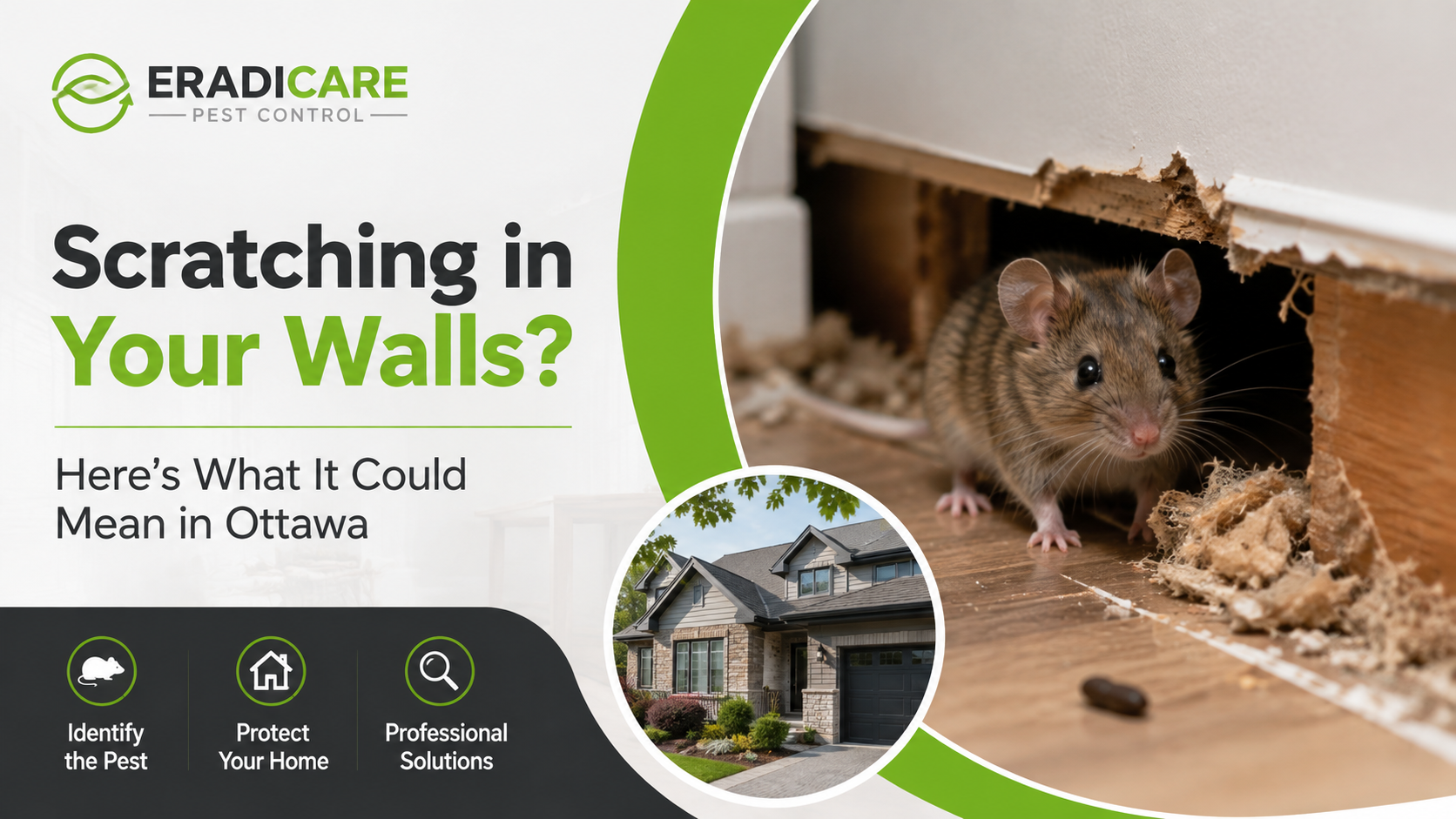
Hearing scratching or cracking sounds inside your walls, ceiling, or attic is never something to ignore. While houses naturally make occasional noises as temperatures change, repeated scratching, scurrying, or chewing sounds often point to unwanted visitors. In many Ottawa homes, these noises are one of the first signs that rodents or other wildlife have moved indoors.
As the weather cools in the fall and winter, mice and rats start looking for warm, sheltered places to nest. Small gaps around foundations, utility lines, roof vents, or soffits can give them easy access to your home. Larger animals such as squirrels and raccoons may also find their way into attics through damaged roofing or exterior openings.
If you’ve been hearing unexplained noises behind your walls, this guide will help you understand what they could mean, how to identify the likely cause, and when it’s time to call a licensed pest control professional.
What Causes Scratching Sounds in Walls?
The most common cause of scratching sounds inside walls is animals moving through hidden spaces such as wall cavities, attics, ceilings, or crawl spaces. The timing, location, and type of noise can often help narrow down what’s causing the disturbance.
Although mice are responsible for many of these calls, they’re far from the only possibility. Rats, squirrels, raccoons, birds, and even some insects can produce similar sounds. Identifying the source is the first step toward choosing the right solution.
Mice and Rats
House mice are one of the most common pests found inside Ottawa homes. Because they’re most active at night, homeowners often notice scratching sounds after the house has quieted down.
Mice move easily through insulation, wall cavities, ceilings, and basements. As they travel, they create light scratching, scurrying, or gentle chewing sounds that can seem louder in a quiet home.
Other signs of mice include:
- Light scratching or scurrying noises behind walls
- Soft chewing or gnawing sounds
- Small droppings in kitchens, basements, or storage areas
- Grease marks along walls or baseboards
- Shredded paper, fabric, or other nesting materials
Rats tend to make louder, heavier noises than mice. Their movements are slower and more deliberate, and you may hear stronger scratching, chewing, or occasional thumping inside walls or ceilings. Because they’re larger, rats can also cause more noticeable damage if left untreated.
Squirrels and Other Wildlife
If the sounds are loud enough to resemble running, jumping, or heavy scratching, a larger animal may be responsible.
Squirrels commonly enter attics through damaged roof vents, soffits, or overhanging tree branches. Unlike rodents, they’re active during the day, particularly in the early morning and late afternoon.
Common squirrel noises include:
- Fast running across the attic floor
- Heavy scratching
- Jumping or rolling sounds
- Loud chewing on wood
Raccoons create even more noticeable noise. Homeowners often describe hearing slow footsteps, dragging sounds, or heavy thumps coming from the attic rather than inside the walls.
Because wildlife removal requires a different approach than rodent control, correctly identifying the animal is an important part of any professional inspection.
Less Common Causes
Not every unusual sound inside a wall is caused by rodents or larger wildlife.
Other possible causes include:
- Birds nesting inside wall cavities or roof spaces
- Carpenter ants moving through damp or damaged wood
- Wasps building nests inside exterior walls during warmer months
- Natural expansion and contraction of building materials as temperatures change
While a house may occasionally creak or pop as it expands and contracts, repeated scratching, scurrying, or chewing sounds are much more likely to indicate animal activity.
Why Ottawa Homes Often Experience Wall Noises
Ottawa’s seasonal weather has a noticeable impact on rodent activity. As outdoor temperatures begin to fall, mice and rats look for warm places where they can find shelter and food throughout the winter.
Even a small opening around a utility pipe, foundation crack, roof vent, or garage door can be enough for a mouse to enter. Once inside, wall cavities provide warmth, protection, and hidden pathways throughout the home.
Older neighbourhoods with mature trees, aging brickwork, unfinished basements, or crawl spaces may offer more opportunities for pests to enter. However, newer homes aren’t immune. Construction gaps, damaged weather stripping, or unsealed utility penetrations can also become entry points.
Understanding these seasonal patterns can help explain why scratching sounds often become more noticeable during the colder months, even in homes that have never experienced a pest problem before.
How to Tell What Animal May Be Inside Your Walls
The sounds you hear can provide useful clues about what’s hiding inside your walls. While a professional inspection is the most reliable way to identify the source, paying attention to when the noises occur, how they sound, and where they come from can help narrow down the possibilities.
Different pests have different activity patterns. Some are most active at night, while others are active during the day. Understanding these behaviours can help you decide how urgent the problem may be.
Listen to the Time of Day
The time you hear the noise is often one of the easiest ways to identify the likely culprit.
If the scratching starts after sunset or in the middle of the night, mice or rats are the most likely cause. Rodents are nocturnal and usually become active once the house is quiet.
If you hear movement during the early morning or throughout the day, squirrels are a more likely explanation. They spend much of the day searching for food and may travel between the roof and attic several times.
Raccoons are also active at night but produce much heavier sounds than rodents. Instead of light scratching, you may hear slow footsteps, dragging, or heavy thumping above the ceiling.
Birds are generally active shortly after sunrise. If they’ve nested inside a wall cavity or roof space, you may hear fluttering wings, pecking, or chirping.
Pay Attention to the Type of Noise
The type of sound can tell you just as much as the time of day.
Light scratching or quick scurrying usually points to mice moving through insulation or wall cavities.
Louder scratching combined with persistent chewing may indicate rats, especially if the sounds seem to travel through several rooms.
Heavy running, rolling, or jumping noises are more commonly associated with squirrels in the attic than rodents inside the walls.
Buzzing sounds during spring or summer could indicate a wasp nest hidden inside an exterior wall.
If the house occasionally creaks or pops during temperature changes without any scratching or movement, it’s often normal expansion and contraction of building materials. However, repeated scratching or chewing sounds are far more likely to indicate animal activity.
Look for Other Warning Signs
Unusual noises are rarely the only sign of a pest problem.
Take a careful look around your home for other evidence of activity, including:
- Small rodent droppings near kitchens, pantries, or storage areas
- Gnaw marks on wood, plastic, or food packaging
- Grease marks along walls or baseboards
- Torn or disturbed attic insulation
- Shredded paper, fabric, or other nesting materials
- Unpleasant odours coming from walls or ceilings
- Small gaps around utility pipes, vents, or the foundation
Finding several of these signs together usually indicates that pests have been active inside the home for some time.
How to Tell What Animal May Be Inside Your Walls
The sounds you hear can provide useful clues about what’s hiding inside your walls. While a professional inspection is the most reliable way to identify the source, paying attention to when the noises occur, how they sound, and where they come from can help narrow down the possibilities.
Different pests have different activity patterns. Some are most active at night, while others are active during the day. Understanding these behaviours can help you decide how urgent the problem may be.
Listen to the Time of Day
The time you hear the noise is often one of the easiest ways to identify the likely culprit.
If the scratching starts after sunset or in the middle of the night, mice or rats are the most likely cause. Rodents are nocturnal and usually become active once the house is quiet.
If you hear movement during the early morning or throughout the day, squirrels are a more likely explanation. They spend much of the day searching for food and may travel between the roof and attic several times.
Raccoons are also active at night but produce much heavier sounds than rodents. Instead of light scratching, you may hear slow footsteps, dragging, or heavy thumping above the ceiling.
Birds are generally active shortly after sunrise. If they’ve nested inside a wall cavity or roof space, you may hear fluttering wings, pecking, or chirping.
Pay Attention to the Type of Noise
The type of sound can tell you just as much as the time of day.
Light scratching or quick scurrying usually points to mice moving through insulation or wall cavities.
Louder scratching combined with persistent chewing may indicate rats, especially if the sounds seem to travel through several rooms.
Heavy running, rolling, or jumping noises are more commonly associated with squirrels in the attic than rodents inside the walls.
Buzzing sounds during spring or summer could indicate a wasp nest hidden inside an exterior wall.
If the house occasionally creaks or pops during temperature changes without any scratching or movement, it’s often normal expansion and contraction of building materials. However, repeated scratching or chewing sounds are far more likely to indicate animal activity.
Look for Other Warning Signs
Unusual noises are rarely the only sign of a pest problem.
Take a careful look around your home for other evidence of activity, including:
- Small rodent droppings near kitchens, pantries, or storage areas
- Gnaw marks on wood, plastic, or food packaging
- Grease marks along walls or baseboards
- Torn or disturbed attic insulation
- Shredded paper, fabric, or other nesting materials
- Unpleasant odours coming from walls or ceilings
- Small gaps around utility pipes, vents, or the foundation
Finding several of these signs together usually indicates that pests have been active inside the home for some time.
Can Scratching Sounds Damage Your Home?
Yes. While the sounds themselves may seem harmless at first, the animals causing them can damage your home if they’re left unchecked.
Rodents constantly chew to keep their teeth from growing too long. Unfortunately, they don’t distinguish between natural materials and parts of your home.
Mice and rats may chew through:
- Electrical wiring
- Wooden framing
- Plastic plumbing pipes
- Cardboard storage boxes
- Furniture
- Insulation
Damaged wiring can lead to expensive repairs and should be inspected by a qualified electrician if chewing is suspected.
Rodents can also contaminate insulation with droppings and urine, reducing its effectiveness and creating unpleasant odours inside the home.
Larger animals, such as squirrels, may damage roof vents, soffits, fascia boards, and attic insulation while building nests.
The longer pests remain inside a property, the more extensive the damage can become.
Is It Safe to Ignore Scratching Sounds?
It may be tempting to wait a few days to see if the noises stop on their own, but that’s not always the best approach.
Rodents often change their activity patterns after becoming familiar with their surroundings. Even if the scratching becomes less noticeable, they may still be living and nesting inside your walls.
Delaying action can allow pests to:
- Build larger nests
- Reproduce inside wall cavities
- Spread to other areas of the home
- Cause additional structural damage
- Increase the amount of cleaning and repairs needed later
Addressing the problem early is usually simpler than dealing with a well-established infestation.
Can You Inspect the Problem Yourself?
There are a few safe checks you can perform before contacting a pest control professional.
Start by walking around the outside of your home and look for possible entry points around:
- Foundation cracks
- Utility pipe openings
- Dryer vents
- Roof vents
- Garage doors
- Damaged soffits
- Exterior doors
Inside your home, inspect basements, utility rooms, kitchens, storage areas, and any attic space that is safe to access. Look for droppings, gnaw marks, nesting materials, or other signs of recent activity.
Avoid opening walls or attempting to remove wildlife yourself. Disturbing animals inside enclosed spaces can make the situation worse and may increase the risk of injury or property damage.
If the scratching continues for several days or you notice multiple signs of activity, it’s a good time to arrange a professional pest inspection.
What Happens During a Professional Pest Inspection?
If you’ve been hearing scratching sounds for several days or you’ve noticed droppings, gnaw marks, or other signs of activity, a professional inspection can help determine what’s happening before the problem gets worse.
Rather than treating only the visible signs, a licensed pest control technician looks for the source of the infestation. Every home is different, so the inspection focuses on how pests entered the property, where they’re nesting, and what conditions are allowing them to remain there.
A typical inspection may include:
- Checking the exterior of the property for potential entry points
- Inspecting the attic, basement, crawl spaces, garage, and utility areas
- Looking for droppings, nesting materials, grease marks, and chew damage
- Identifying the pest responsible for the activity
- Assessing the extent of the infestation
- Recommending a treatment and prevention plan based on the findings
After the inspection, the technician will explain what was found and discuss the most appropriate next steps for your home.
DIY Pest Control vs. Professional Rodent Control
Many homeowners try to deal with scratching sounds on their own first. In some situations, that’s a reasonable starting point. However, rodents living inside walls or ceilings are often much harder to eliminate than those found in open areas.
When DIY May Be Enough
DIY methods may help if:
- You’ve seen a single mouse inside the home.
- The scratching has stopped and hasn’t returned.
- You’ve identified and sealed a small entry point.
- There are no obvious signs of a larger infestation.
Simple traps, good sanitation, and sealing small gaps may resolve a minor issue. Even so, it’s worth keeping an eye out for any new signs of activity over the following weeks.
When It’s Time to Call a Professional
Professional pest control is usually the better choice if:
- You hear scratching almost every night.
- The noises are coming from multiple walls or ceilings.
- You’re finding droppings in different parts of the home.
- Traps aren’t catching anything, but the sounds continue.
- You suspect rats, squirrels, or other wildlife.
- The problem keeps returning after DIY efforts.
Rodents can travel through wall cavities, insulation, and ceiling spaces that aren’t easily accessible. Without identifying entry points and nesting areas, it’s difficult to solve the problem completely.
A professional inspection can determine the cause of the activity and recommend the most appropriate treatment based on the type of pest and the level of infestation.
How to Help Prevent Future Wall Infestations
Keeping pests out starts with making your home less inviting.
Regular maintenance and routine inspections can help reduce the risk of rodents and wildlife finding a way inside.
Some practical prevention tips include:
- Seal gaps around utility pipes, cables, and vents.
- Repair damaged soffits, siding, and roof vents.
- Replace worn weather stripping around doors and garage entrances.
- Store food in tightly sealed containers.
- Keep indoor and outdoor garbage bins securely closed.
- Trim tree branches that touch or hang over the roof.
- Reduce clutter in garages, basements, and storage rooms.
- Check your home’s exterior for new cracks or openings each season.
For many Ottawa homeowners, early fall is a good time to inspect the exterior of the home before colder weather encourages rodents to move indoors.
Frequently Asked Questions
Why do I hear scratching sounds in my walls at night?
Mice and rats are most active after dark, so scratching sounds at night are often one of the first signs of rodent activity inside a home.
Are scratching sounds always caused by mice?
No. While mice are a common cause, rats, squirrels, raccoons, birds, and even wasps can also create noises inside walls, ceilings, or attics.
How can I tell if it’s mice or squirrels?
The timing usually provides the biggest clue. Mice are generally active at night, while squirrels are active during the day and often create louder running or jumping sounds.
Should I worry if the scratching suddenly stops?
Not necessarily. Rodents may simply move to another part of the home or change their activity pattern. A temporary pause doesn’t always mean they’ve left.
Can rodents damage electrical wiring?
Yes. Mice and rats chew constantly to keep their teeth worn down, and electrical wiring is one of the materials they may damage.
Is it safe to stay in my home if I hear scratching sounds?
In most situations, homeowners can remain in their homes while arranging a pest inspection. If you suspect larger wildlife or notice significant damage, it’s a good idea to seek professional advice as soon as possible.
What should I do before a pest inspection?
Take note of where and when you hear the noises, and look for visible signs such as droppings or gnaw marks. Avoid opening walls or trying to remove animals yourself.
How long does a pest inspection take?
The time required depends on the size of the property and the complexity of the suspected pest problem.
When to Contact Eradicare Pest Control
If scratching or cracking sounds have become a regular occurrence, don’t assume they’ll disappear on their own. Identifying the problem early can help limit damage and make it easier to choose the right treatment.
Whether the noise is coming from mice, rats, squirrels, or another type of pest, a professional inspection can identify the source and recommend the most appropriate solution.
Eradicare provides licensed pest control services for residential and commercial properties across Ottawa and surrounding communities. If you’re hearing unexplained noises inside your walls, ceiling, or attic, call 613-366-4444 to speak with our team and learn more about your inspection and treatment options.