

Biology
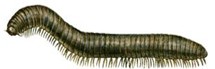
Millipedes have rounded, segmented bodies colored black, dark brown, or shiny reddish. Each segment has two pairs of legs. Sizes range from 2 mm to 35 cm. They don’t bite or sting but can secrete an irritating fluid as a defense, which may cause skin irritation and odor.
They undergo a process called anamorphic development, where they add segments and legs as they grow. There are 7,000 species of millipede in the world, and 1,400 of these occur in the United States and Canada.
Size: 2 mm to 35 cm long.
Colour: Black, dark brown or shiny reddish.
Description: Arthropods with rounded bodies and two pairs of legs on each body segment.
Order/Family: Polydesmida/Eurymerodesmidae.
Scientific Name: Diplopoda.
Millipedes aren’t insects; as arthropods, they’re more closely related to lobsters, shrimp, and crayfish.

- Gypsy moth caterpillars can defoliate entire trees, leaving them vulnerable to further pests.
- Millipedes are among the first land-dwelling invertebrates, with fossils dating back hundreds of millions of years.
- Despite the name, they don’t have 1,000 legs, the record is 750.
- As detritivores, they break down dead plants and animals, enriching soil.
- Some species release toxic fluids that can irritate skin and leave strong odors.
Behaviour, Habitat & Diet
Behavior:
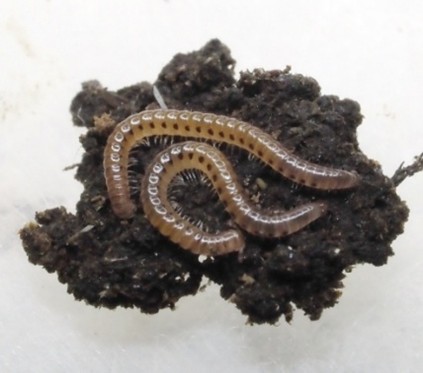
Millipedes move slowly through soil and organic matter, breaking down dead plant material and rejuvenating the soil, much like earthworms. When they become overly abundant, they sometimes damage seedlings in gardens.
Habitat:
Millipedes thrive in moist environments like soil, leaf litter, mulch, and under rocks or logs. They frequently invade homes searching for moisture, especially basements and crawl spaces
Diet:
Primarily detritivores, feed on decaying organic matter such as dead leaves and wood. Some species may damage young plants by chewing roots and stems.
Most millipedes are herbivores that eat plants and decaying plant matter, while few are carnivores or meat-eaters.
Life Cycle
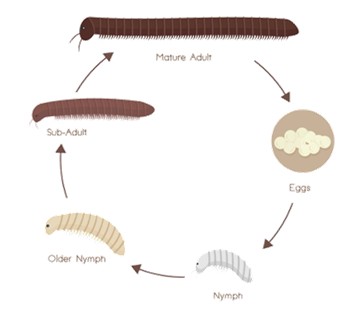
Millipedes develop gradually, growing more body segments and legs as they molt. Here’s a quick breakdown of their life stages:
Egg Stage
- Females lay 20–300 eggs in moist soil or organic matter.
- Eggs hatch in a few weeks, depending on temperature and humidity.
Larva Stage
- Hatchlings resemble small adults but may have no legs or only a few.
- They remain hidden in soil or mulch and begin feeding right away.
Pupa Stage
- With each molt, juveniles gain more legs and body segments.
- This stage c an last months to over a year, depending on species and environment.
Adult Stage
- Adults reproduce and continue feeding.
- Outdoors, they can live up to 7 years; indoors, just 2–4 weeks if conditions are poor.
Millipedes are born with just a few or no legs at all, but with each molt, they grow more body segments and legs, eventually reaching over 200 legs.
Don’t Let Millipedes Crawl In, Multiply, And Take Over Your Home.
Call Eradicare now! Our certified technicians will identify entry points, eliminate infestations at the source, and create a protective barrier around your home. Get fast, effective, and family-safe treatments that stop millipedes before they overrun your space.
FREQUENTLY ASKED QUESTIONS ABOUT MILLIPEDES
Millipedes don’t bite or sting, but they can release a toxic fluid that causes skin irritation, rashes, and staining on walls or floors. Their presence can also signal excess moisture in your home.
Millipedes are drawn to damp environments and organic material. If you’re seeing lots of them, it’s a sign of high moisture levels or decaying matter near your home’s foundation or inside basements and crawl spaces.
Yes. While they prefer outdoor habitats, millipedes often invade homes in large numbers, especially during wet weather or seasonal changes, looking for shelter and moisture.
Female millipedes can lay 20–300 eggs at a time in soil. Though their development is slow, unnoticed infestations can build up and become overwhelming over time.
Millipedes feed on decaying plant material, but some species may also damage young plants by chewing on roots and stems, posing a threat to gardens and landscaping.
Keep your home dry, seal foundation cracks, and remove mulch or debris near the house. But for long-term control, a professional barrier treatment is the most effective.
At Eradicare, we inspect, eliminate, and prevent millipede invasions using targeted treatments inside and out. Our moisture-sensitive control methods stop infestations at the source, call now before they multiply.