

Biology
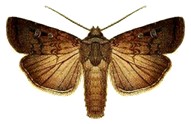
Moths belong to the order Lepidoptera, known for their scaly wings and four-stage life cycle: egg, larva, pupa, and adult. While adult moths are mostly harmless, their larvae cause serious damage by feeding on plants, fabrics, or stored food.
Three major types of moths commonly affect homes and properties in Canada:
- Gypsy Moths destroy tree foliage and weaken forests
- Clothes Moths damage wool, silk, fur, and other natural fabrics
- Indian Meal Moths infest grains, cereals, and dry pantry items
These moths are drawn to specific food sources and environments to lay their eggs. Once larvae hatch, they feed aggressively, often unnoticed until visible damage occurs.
Because moths breed quickly and hide in hard-to-reach areas, professional inspection and treatment are essential to stop infestations at the source and break the life cycle.
- A single female moth can lay up to 1,000 eggs, triggering rapid infestations.
- Larvae cause the most damage—chewing through fabric, contaminating food, or defoliating trees.
- Indian meal moths penetrate sealed packaging to infest dry pantry goods.
- Clothes moths hide in dark closets and drawers, silently destroying fabrics.
- Gypsy moth caterpillars can defoliate entire trees, leaving them vulnerable to further pests.
Behaviour, Habitat & Diet
Behavior
Most moths are nocturnal, seeking quiet, undisturbed spots to lay eggs where larvae can easily access food. Though adults don’t feed, their larvae aggressively consume tree leaves, dry food, or fabrics. Some larvae create silk webbing or protective cases, hiding in dark corners or folds making infestations hard to detect until serious damage occurs.
Habitat
Moths thrive in specific environments based on their food source:
- Outdoors, they may target leafy trees and wooded areas.
- Indoors, they prefer dark, undisturbed places like closets, attics, or basements, or they may nest in kitchens and pantries near stored foods.
Diet
While adult moths don’t feed, their larvae are highly destructive feeders and the main threat. Depending on the species:
- Some feed on natural fibers such as wool, silk, fur, and feathers.
- Others infest stored dry foods like flour, cereal, grains, and pet food.
- Outdoor larvae feed on tree leaves, especially hardwoods like oak, birch, or aspen.
Infestations result in contaminated food, ruined fabrics, or defoliated trees, each presenting its own risk to your home or property.
Life Cycle
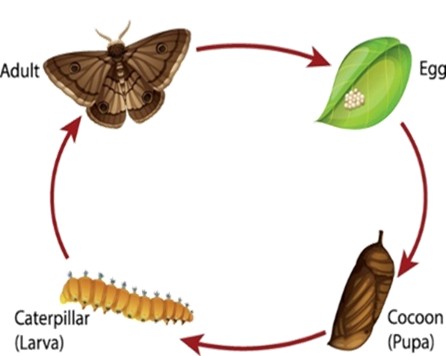
Egg Stage
- Eggs are laid in batches, often hundreds at once, on or near the larval food source.
- Depending on conditions, eggs hatch within days or remain dormant for weeks to months.
Larva Stage (Most Destructive)
- Larvae emerge and begin feeding immediately.
- This stage lasts from weeks to several months.
- Most damage occurs here, including chewing, webbing, and contamination.
Pupa Stage
- Fully grown larvae spin cocoons in hidden locations to transform.
- This stage typically lasts 1–3 weeks, influenced by temperature and humidity.
Adult Stage
- Adults emerge ready to mate and reproduce.
- Lifespan is a few days to two weeks.
- Females lay hundreds of eggs, quickly restarting the cycle.
Moth larvae are the real destroyers, they emerge hungry and immediately begin feeding on fabric, food, or foliage.
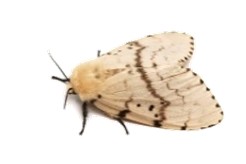
Gypsy Moth
Size: 37–62 mm wingspan (adult); caterpillars up to 50 mm.
Colour: Males are brown; females are white with wavy lines (flightless).
Habitat:
Forests, trees, outdoor furniture, firewood, and sunny walls.
Behaviour:
Caterpillars strip tree leaves, leading to defoliation. Males fly to locate mates; females lay up to 1,000 eggs. Infestations weaken trees and spread fast.

Clothes Moth
Size: 6–8 mm.
Colour: Pale gold or beige with narrow, fringed wings.
Habitat:
Dark indoor spaces like closets, attics, and drawers.
Behaviour:
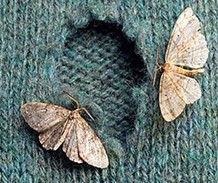
Avoid light; larvae feed on wool, silk, fur, and feathers. Cause hidden damage by chewing holes and spinning silk tubes.
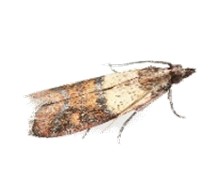
Indian Meal Moth
Size: 8–10 mm (wingspan up to 20 mm).
Colour: Two-toned wings—grey inner and coppery outer half.
Habitat:
Pantries, kitchens, and dry food storage areas.
Behaviour:
Larvae infest grains, cereal, pet food, and dried fruits. Spin webbing in food; adults fly near lights. Infestations often start from contaminated packaging.
Don’t Let Moths Silently Destroy Your Clothes, Contaminate Your Food, Or Weaken Your Trees.
Call Eradicare now! Our expert technicians use proven, safe treatments to eliminate moths at every stage, stopping infestations before they take over. Protect your home, family, and valuables with a fast, effective solution tailored just for you.
FREQUENTLY ASKED QUESTIONS ABOUT MOTHS
Look for signs like holes in wool or silk clothing, silky webbing in pantry foods, or clusters of tiny moths near windows and closets. Early detection is key to stopping costly damage. Call Eradicare for a thorough inspection.
Moths hide in hard-to-reach places and lay eggs that are nearly invisible. DIY methods often miss eggs and larvae, allowing infestations to return quickly. Professional treatments target every life stage for lasting control.
Larvae can start eating fabrics or food within days after hatching. Infestations can multiply rapidly, ruining valuable items in weeks. Don’t wait, call Eradicare to protect your home and belongings.
While moths don’t bite or sting, their larvae contaminate food and fabrics with waste and shed skins, which can trigger allergies or respiratory issues. Professional control helps keep your home safe and clean.
Our licensed experts use safe, targeted treatments that eliminate moths at all life cycle stages; egg, larva, pupa, and adult. Plus, offer advice to prevent future infestations.
Without proper treatment and prevention, moths can return quickly. Eradicare’s comprehensive approach breaks the life cycle and helps safeguard your home long-term.