

Biology
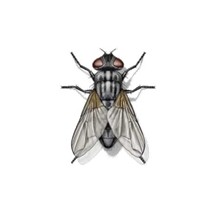
Flies belong to the order Diptera, meaning “two wings.” Unlike most insects, they have only one pair of wings, making them agile fliers.
There are over 110,000 fly species worldwide, with major types commonly found in Canada:
- House Flies
- Cluster Flies
- Blow Flies
- Bottle Flies
- Drain Flies
- Fruit Flies
Flies are drawn to homes and businesses in search of food, moisture, and waste. They breed quickly and are known carriers of bacteria and disease, contaminating surfaces wherever they land.
Because they pose health risks and multiply fast, professional fly control is essential to protect your home or business.
Species like house flies and fruit flies are known to spread cholera, dysentery, typhoid, and other dangerous bacteria.

- A single female house fly can lay up to 500 eggs, hatching into thousands of flies within days.
- Thanks to tiny lenses called ommatidia, these compound eyes allow flies to see behind them 360 degrees at once. Making it hard to sneak up on them.
- Flies can beat their wings up to 1,000 times per second. This super-fast wingbeat lets them hover and dart in milliseconds.
- Flies can taste with their feet, when they land on food, they’re literally tasting it through their tiny feet.
- Flies carry over 100 deadly pathogens, including bacteria that cause cholera, typhoid, and dysentery.
Behaviour, Habitat & Diet
Behavior
Flies are persistent, fast-moving pests that actively seek out food, warmth, and moisture. They detect food odors from garbage, drains, and even air currents, quickly entering homes through open doors, windows, and vents. Some species, like cluster flies, also seek indoor warmth on cooler days and cooler air on hot days, making your property a year-round target.
Habitat
Flies typically breed outdoors in manure, garbage, compost, and animal carcasses, but many also reproduce indoors in:
- Kitchen drains
- Garbage bins
- Overripe fruit
- Damp mops or sponges
- Pet waste areas
They rest on ceilings, light fixtures, walls, and windows, especially near food sources or temperature-controlled spaces.
Diet
Depending on the species, flies feed on a wide range of organic matter, including:
- Rotting food and produce
- Meat and greasy residues
- Animal waste
- Sweet liquids and fermenting substances
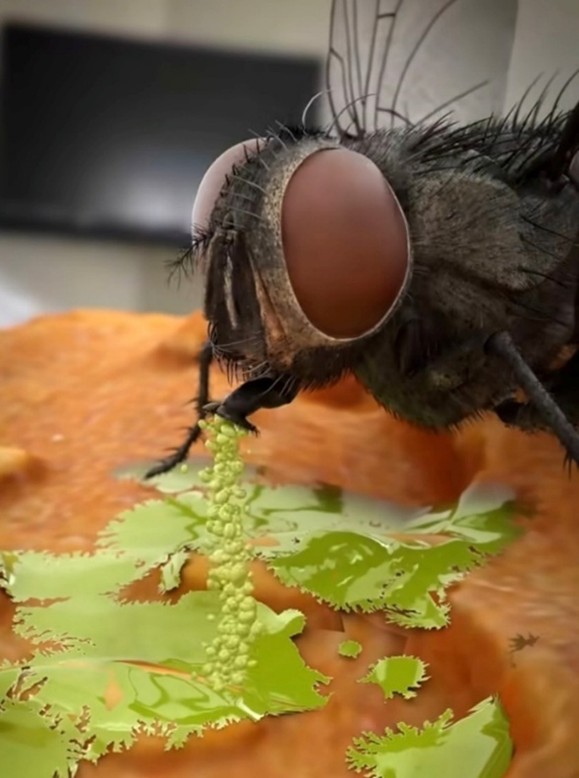
House flies vomit digestive enzymes onto solid food to break it down before ingestion, increasing the risk of contamination.
Flies pick up pathogens from filth like trash, feces, and dead animals; and transfer them to surfaces, food, and prep areas.
Life Cycle
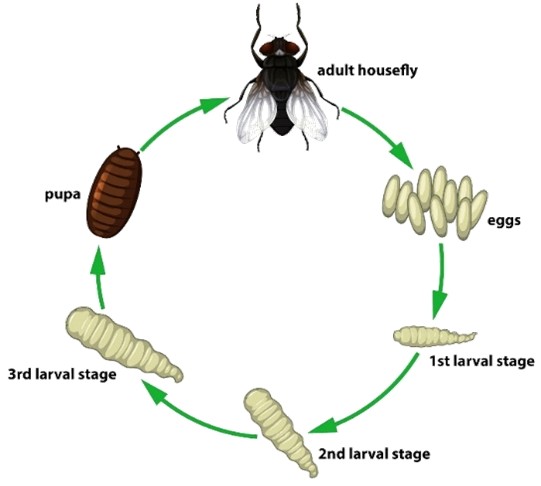
Flies reproduce rapidly through a four-stage cycle.
Egg:
- Females lay up to 500 eggs in moist, organic matter like garbage, manure, or drains.
- Eggs hatch within 24 hours.
- Maggots feed and grow rapidly.
- Maggots go through 3 active growth stages, called instars.
- After a few days, larvae enter the pupal stage, transforming in a protective casing.
- Adult flies emerge ready to reproduce.
- Completing the cycle in as little as 7–10 days.
Larva Stage
Pupa Stage
Adult Stage
One female house fly can lay up to 500 eggs, with new adults emerging in just 7–10 days, quickly turning into hundreds swarming your home within days.
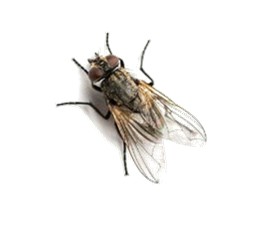
House Flies
Size: 4 to 7.5 mm long.
Colour: Light grey bodies and dark stripes running the length of the thorax.
Habitat: Common near garbage, compost, pet waste, and kitchens. Indoors, they gather around trash bins and sunny windows.
Behaviour: House flies live 2 to 12 weeks, depending on climate. Each fly can carry over a million bacteria and spread diseases like diarrhea, typhoid, and cholera—just by landing on food or surfaces.
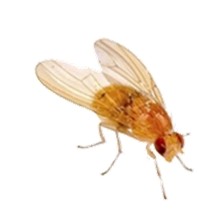
Fruit Flies
Size: 2.5 to 4 mm long.
Colour: Varying shades of yellow, brown-yellow or brown black.
Habitat: Found near overripe fruits, vegetables, drains, and sugary residues—especially in kitchens and food prep areas.
Behaviour: Fruit flies are active year-round, usually in kitchens near overripe produce like bananas, tomatoes, or onions. They’re also drawn to food residue on unwashed containers or unrefrigerated items.
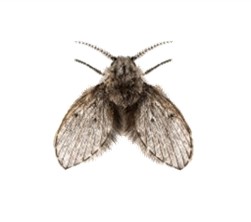
Drain Flies
Size: 1.5 to 5 mm long.
Colour: Dark grey body and lighter colour wings. Fine hairs on their bodies and wings give drain flies a fuzzy, moth-like appearance.
Habitat: Breed in moist drains and organic sludge. Often seen around sinks, showers, and floor drains in bathrooms or basements.
Behaviour: Drain flies are nocturnal, weak flyers that make short hops when disturbed. They rest with wings tented over their backs and stay close to their breeding sites, like drains.
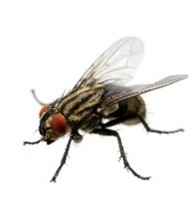
Cluster Flies
Size: 8 to 10 mm long.
Colour: Dark grey with golden hairs and overlapping wings.
Habitat: Enter homes in late summer to overwinter in attics, wall voids, and unused rooms—often appearing in sunny windows.
Behaviour: Cluster flies lay eggs in soil in late spring; larvae parasitize earthworms. Within 27–39 days, adults emerge and, by mid-August, seek shelter in sunny, light-colored homes—often entering individually but gathering in swarms indoors.
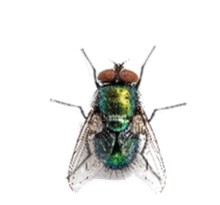
Blow/Bottle Flies
Size: 6 to 16 mm long.
Colour: Shiny, metallic blue, green or copper, depending on the species.
Habitat: Attracted to dead animals and rotting meat. Found near dumpsters, carcasses, and decaying organic material—indoors or outdoors
Behaviour: Blow and bottle flies are key scavengers, arriving early at dead animals to aid decomposition. Their maggots help forensic experts estimate time of death and are also found breeding in garbage, dumpsters, and compost.
Don’t Let Flies Buzz Around Your Home And Threaten Your Family’s Health.
Call Eradicare now! Our expert team hunts down every hidden breeding spot and delivers eco-friendly treatments that wipe out flies for good.
FREQUENTLY ASKED QUESTIONS ABOUT FLIES
Flies are more than a nuisance, they spread over 100 harmful bacteria, including E. coli and salmonella, just by landing on food, utensils, or surfaces. Fast breeding means one fly today could be hundreds by next week.
Common indoor invaders in Canada include house flies, fruit flies, drain flies, cluster flies, blow flies, and bottle flies. Each species has different habits and hiding spots. Eradicare identifies and targets the exact cause.
Most DIY sprays and traps offer only temporary relief. They rarely address hidden breeding sites or eggs, leading to constant reinfestation. Professional treatment targets the entire life cycle for lasting results.
Flies are drawn to food odours, garbage, drains, compost, and even tiny food spills. Warmth, moisture, and poor sanitation make your space a perfect breeding ground.
Very fast. A single female can lay up to 500 eggs, and new adults can emerge in just 7–10 days. Infestations often explode before you notice a problem.
Our certified technicians conduct a thorough inspection, locate breeding sites, and apply targeted treatments, inside and out. We also create preventive barriers to stop future infestations.