

Biology
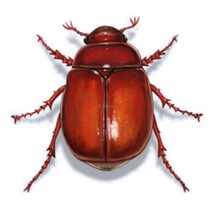
Beetles belong to the order Coleoptera, the largest group of insects on Earth, with over 350,000 known species. Their most distinctive biological features is a tough exoskeleton, and a pair of hardened forewings called elytra, which act like armor shielding their soft bodies and flight wings from harm and helping them survive in harsh or hidden environments.
While some beetles are beneficial, others cause serious indoor damage. Their tough exoskeleton and ability to hide make professional removal crucial to protect food, fabric, and wood.
In Canada, a variety of beetles can become indoor pests, especially carpet beetles, and stored product beetles.
Beetle activity peaks in spring and summer as adults emerge, mate, and lay eggs, while in late summer to fall, they often move indoors seeking warmth for overwintering.

- Over 350,000 beetle species exist worldwide, thriving in forests, deserts, homes, and even pantries.
- Fireflies are beetles that glow to communicate and repel predators.
- Some beetles can lift 100x their body weight, ranking among the strongest insects.
- Bombardier beetles spray boiling chemicals for defense.
- Humans consume over 300 beetle species, mostly as larvae. More than any other insect.
Behaviour, Habitat & Diet
Behaviour
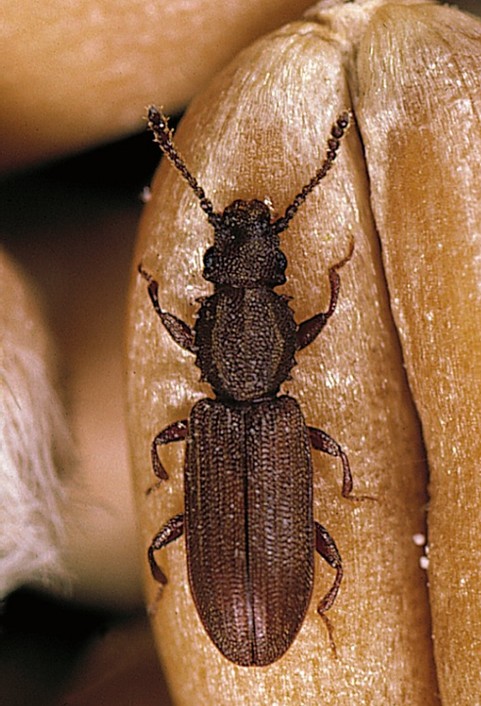
Beetles vary by species, some are harmless, others highly destructive. Indoors, they can contaminate food, damage fabrics, or tunnel through wood. Once they settle in, professional treatment is often needed.
Habitat
- Beetles thrive in both indoor and outdoor spaces. They are commonly found in:
- Wall voids, baseboards, and under flooring.
- Pantries, cupboards, and food storage areas.
- Carpets, furniture, and wooden structures.
Common invaders include:
- Carpet beetles (fabric damage).
- Stored product beetles (pantry pests).
- Powderpost beetles (wood-boring).
Diet
Beetles feed on a wide range of materials, including:
- Dry goods like cereal, pasta, and grains.
- Natural fabrics (wool, fur, leather).
- Wood, glue, paper, and plant matter.
Beetles are actually strong fliers and often enter properties through cracks, doors, and windows. Their diverse diet makes them a threat to household goods, stored food, and structural materials.
Life Cycle
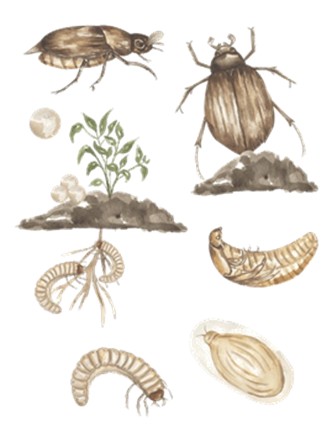
Most beetles undergo complete metamorphosis; egg, larva, pupa, and adult, with life cycle duration and behaviors vary significantly by species.
Egg Stage
- Females lay dozens to hundreds of eggs near food or shelter.
- Eggs hatch in 2–10 days, depending on species and temperature.
Larva Stage
- Larvae feed aggressively on wood, fabric, or stored food.
- Wasp larvae are fed protein by adults and fully depend on them.
- This stage lasts weeks to months.
Pupa Stage
- Larvae pupate in soil, crevices, or food sources.
- Pupation lasts 1–4 weeks, sped up by warmer temperatures.
Adult Stage
- Adults’ live weeks to years, feed, mate, and lay eggs.
- Multiple generations may occur annually in warm climates.
Adult beetle lifespans range from a few weeks up to several years, depending on species and conditions.
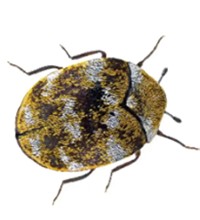
Carpenter Beetle
- Size: 2–5 mm in length.
- Colour: Mottled grey-yellow, brown, and white.
- Habitat: Found in closets, under rugs, and places with pet or human hair; also common in storage and warehouses.
- Behaviour: Larvae damage carpets, wool, feathers, and leather. Adults drawn to light.
- Diet:
Larvae feed on animal fibers; adults eat nectar and pollen.
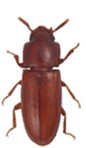
Stored Product Beetle
- Size: 2–4 mm in length.
- Colour: Reddish-brown to black.
- Behaviour: Stored product beetles hide in cracks and packaging, active year-round and breeding fast in warmth.
- Habitat: Found in pantries, cupboards, and warehouses, they invade sealed packages easily.
- Diet:Feed on flour, cereal, dried fruits, nuts, spices, and powders, contaminating food with larvae and odors.
STOP BEETLE DAMAGE NOW WITH ERADICARE’S BEETLE CONTROL
Our experienced exterminators will will inspect your property, safely eliminate beetle infestations, and help prevent future invasions.
FREQUENTLY ASKED QUESTIONS ABOUT BEETLES
If you notice a steady stream of wasps, hornets, or bees heading to the same spot around your roofline, wall cracks, trees, or deck, it’s a strong sign there’s a nest. Don’t wait until it becomes a full-blown problem. Eradicare offers fast inspections and expert removal.
Yes. Especially when provoked. These insects can sting multiple times and often swarm when their nest is threatened. For those with allergies, it can be serious or even life-threatening. Play it safe and let Eradicare handle it.
Look for small holes in fabrics, damaged stored food, or beetle sightings near windows and baseboards. If you suspect an issue, a professional inspection can provide peace of mind.
Beetles can damage carpets, clothing, furniture, and food products. Early detection helps minimize damage and reduce costly repairs.
While good sanitation and storage practices help, some infestations require specialized treatment for complete removal.
Beetles often come in with stored products, secondhand furniture, or through small cracks and gaps in buildings. Identifying entry points is key to prevention.
Depending on the species and conditions, infestations can persist for months or even years, quietly worsening over time.
If you notice recurring beetle activity or damage despite cleaning efforts, consulting a licensed pest control expert can ensure thorough treatment and lasting results.