

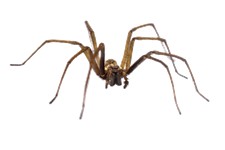
Spiders are air-breathing arthropods belonging to the order Araneae. They are easily recognized by their eight legs, two body segments (cephalothorax and abdomen), and typically eight eyes arranged in various patterns depending on the species.
Spider species range from tiny to large, depending on their type. Despite the variation in size, most share common features like fangs, silk-spinning organs, and venom used to paralyze prey.
Canada is home to many spider species, including:
- Black and yellow garden spiders
- Cellar spiders
- Common house spiders
- Cross spiders
- Wolf spiders
Over 48,000 species of spiders have been identified worldwide, with over 3,000 species found in North America alone.

- There are 48,000+ spider species globally, with over 3,000 in North America.
- Jumping spiders can leap 50x their body length, like a human jumping a football field.
- Some webs reach 1 meter wide, trapping prey much larger than the spider.
- A black widow bite can cause severe pain and cramps within 20 minutes.
- Around 7% of people suffer from arachnophobia, leading to panic and distress.
Behaviour, Habitat & Diet
Behaviour
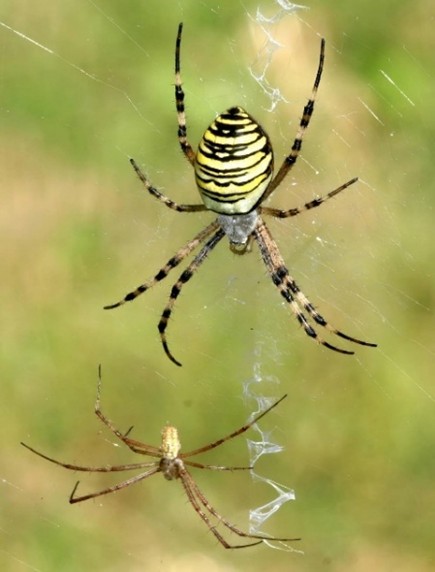
Spiders are quiet, nocturnal hunters that spin webs to trap prey. Most avoid people but will bite when threatened. Their sudden appearance can cause fear and distress, especially for those with arachnophobia. Even if harmless, their presence often feels like an invasion.
Habitat
Spiders prefer dark, moist, and undisturbed areas like:
- Caves, soil, shrubs, and under rocks outdoors.
- Basements, garages, attics, and crawl spaces indoors.
- They enter homes through cracks, gaps, and open doors, building webs in quiet corners where flying insects are available.
Diet
Spiders are carnivorous predators that feed mainly on insects, including flies, mosquitoes, moths, ants, and other small arthropods. Some larger species may also prey on other spiders or even small reptiles.
If you’re seeing spiders indoors, it often means there's a steady supply of insect prey, a sign of another pest problem in your home that’s attracting them.
Life Cycle
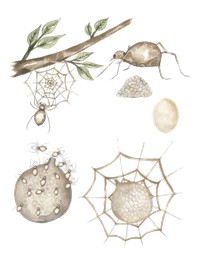
Spiders undergo a simple metamorphosis, progressing through three main stages: egg, spiderling, and adult. The entire process can vary from a few months to several years, depending on the species and environment.
Egg Stage
- Laid inside silk egg sacs hidden in dark, undisturbed areas.
- Each sac may contain dozens to hundreds of eggs.
- Eggs typically hatch within 2–3 weeks, depending on temperature and humidity.
Spiderling Stage
- Spiderlings look like miniature adults but are pale and fragile.
- Stay near the egg sac, then disperse using silk ballooning.
- Undergo 5–10 molts as they grow toward maturity.
Adult Stage
- Reached after the final molt.
- Adult spiders can live:
- 1–2 years for common house spiders.
- Several years for larger species like tarantulas.
- Females outlive males in most species.
Adults reproduce, starting the cycle again.
The brown recluse spider lays 40–50 eggs per sac, and a female can produce up to 3 egg sacs per season, potentially 150 spiderlings at once.
Black And Yellow Garden Spiders
Size: 5 to 28 mm in length.
Colour: Yellow, black, or golden
Habitat: Commonly found in sunny fields, gardens, shrubs, and around outdoor structures like fences or sheds. They prefer areas sheltered from the wind where they can build large, anchored webs.
Behaviour: Known for their clean, symmetrical webs, these spiders are non-aggressive and rarely bite. They remain in or near their web, waiting for insects.
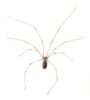
Cellar Spiders
Size: 2 to 8 mm in length.
Colour: Grey, light brown, or pale yellow
Habitat: Prefer basements, cellars, crawl spaces, and other dark, damp indoor areas. Sometimes found in garages or sheds.
Behaviour: Known for their very long, thin legs (sometimes called “daddy longlegs”). They hang upside down in their webs waiting for prey.
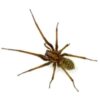
Common House Spiders
Size: Females 5 to 8 mm, males 3.8 to 4.7. mm (body).
Colour: Brown, orange, black, or grey.
Habitat: Frequently found in basements, closets, under furniture, and other indoor corners that are quiet and undisturbed.
Behaviour: Generally harmless and shy, may bite only if provoked. Found in dark corners and less frequented spaces.
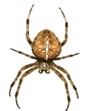
Cross Spiders
Size: 6 to 20 mm in length.
Colour: Sandy brown to burned orange with pale spots forming a cross shape on the large abdomen
Habitat: Found in gardens, meadows, hedgerows, and near buildings with exterior lighting. Also common in stairwells and sheltered outdoor areas.
Behaviour: Build orb-shaped webs to catch flying insects. Usually stationary and non-aggressive unless disturbed.
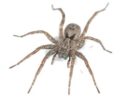
Wolf Spiders
Size: ~25 mm in length.
Size: Up to 35 mm in length.
Colour: Brown, tan, black, or grey with dark markings
Habitat: Thrive in meadows, wetlands, forests, and grassy fields. It can also be found near human dwellings, especially gardens and yards.
Behaviour: Unlike web-building spiders, wolf spiders are active hunters that chase down prey using speed and sharp eyesight. They do not spin webs to catch food.
Seeing Webs In Corners? Spiders Are Taking Over!
Eradicare’s licensed technicians will hunt down and remove spiders, destroy webs and egg sacs, eliminate their food sources, and seal every entry point.
FREQUENTLY ASKED QUESTIONS ABOUT SPIDERS
Spiders come inside following their prey from other insects. If you see webs and spiders, it means there’s a bigger pest problem lurking. Eradicare can eliminate both spiders and their food sources, stopping the cycle fast.
Most spiders in Canada are harmless, but some like black widows and brown recluses can bite and cause serious health issues. Don’t take chances. Eradicare’s experts identify and safely remove any harmful species.
DIY sprays and traps rarely solve the problem long-term. Spiders hide in hard-to-reach places and return quickly. Eradicare’s licensed technicians use professional tools and methods for lasting results.
Beyond unsightly webs and egg sacs, spiders indicate a pest infestation that could escalate. Some spider bites cause painful reactions, especially to children and pets. Acting early with Eradicare protects your family and home.
We offer prompt inspections and treatments. Many customers see results after the first visit. Don’t wait for the infestation to worsen. Call Eradicare now to reclaim your home.