

Biology
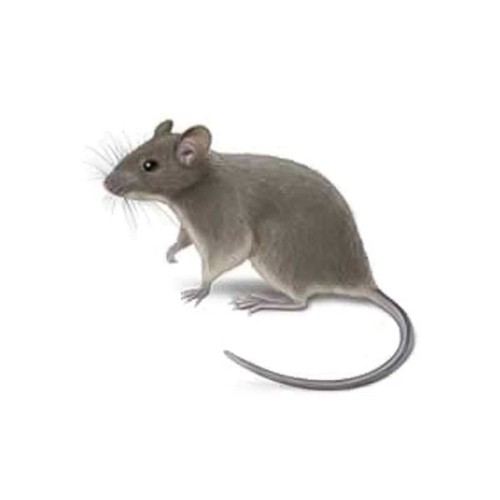
Rodents are mammals of the order Rodentia, making up nearly 40% of all mammal species on Earth. They’re characterized by a single pair of ever-growing incisors in both the upper and lower jaws, allowing them to chew through wood, plastic, drywall, and even metal. Though naturally found on every continent except Antarctica, rodents like mice, rats, and squirrels have adapted especially well to urban and indoor environments, often making their way into Canadian homes and businesses.
Species vary in size and lifespan:
- Voles may live just 3–6 months.
- Pocket gophers can live up to 3 years.
Most rodents have compact bodies, short limbs, and long tails; common household invaders include:
- House Mice
- Norway Rats
- Roof Rats
- Field Mice
Canada is home to 13 known species of mice and 4 species of rats. These pests are more than just a nuisance. They contaminate food, destroy insulation, chew through wiring, and can spread dozens of serious diseases to humans and pets.

- Rodents can squeeze through holes as small as 6 mm—the size of a pencil tip.
- They chew through wood, plastic, and wiring, causing over $20 billion in damage globally each year.
- A single female can produce up to 12 liters per year, reproducing every 3 weeks.
- Rodents contaminate up to 20% of invaded food with urine, droppings, and fur.
- They spread serious diseases like Hantavirus, Leptospirosis, Salmonella, and Rat-bite fever.
Behaviour, Habitat & Diet
Behaviour
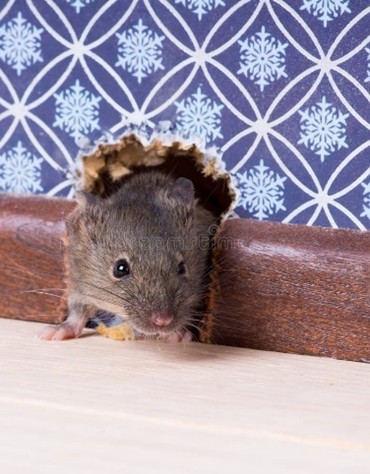
Rodents are highly adaptable and clever pests that can squeeze through openings as small as 6 mm. Mostly nocturnal, they use their sharp teeth to gnaw on wood, wires, and insulation. Many species are skilled climbers, swimmers, and burrowers, making them hard to control once inside.
Habitat
Rodents thrive in various environments but seek shelter indoors during colder months. Mice nest in dark, quiet spots like wall voids and behind appliances. Norway rats burrow near foundations, while roof rats prefer attics and high places. They enter buildings through small cracks, vents, and gaps.
Diet
Rodents are opportunistic feeders. Mice mainly eat grains and seeds, while rats consume a wider range including meat, pet food, and garbage. They contaminate food and surfaces while foraging, causing damage and health risks.
Their rapid reproduction, survival instincts, and gnawing habits make them high-risk pests when indoors.
Life Cycle
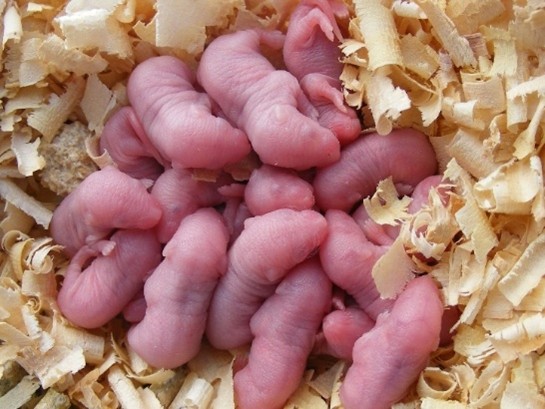
Rodent populations multiply rapidly in warm, food-abundant environments, often growing unnoticed until they cause significant structural damage or health risks. Early intervention is crucial to prevent infestations from escalating.
Birth
- Mice: 5–10 pups per litter
- Rats: 6–12 pups per litter
- One female may produce 30–60 offspring annually
Juvenile Stage
- Born blind and hairless, they mature fast
- Begin eating solid food and exploring in 2–3 weeks
Maturity
- Reach sexual maturity in as little as 5 weeks
Capable of breeding year-round indoors
A single pair of rats can produce up to 2,000 offspring in just one year under ideal conditions.

House Mice
Size: 6 to 10 cm long (excluding tail).
Colour: Light brown to grey with a slightly lighter belly.
Habitat: Found in homes, walls, basements, attics, and pantries. They enter through tiny gaps and nest in insulation, furniture, or stored items.
Behaviour: Reproduce rapidly, one pair can lead to over 100 offspring in a year. They contaminate food, chew wiring (fire hazard), and spread diseases like salmonella.

Norway Rats
Size: 20 to 25 cm long (excluding tail)
Colour: Brown or grey with a blunt nose and small ears.
Habitat: Prefer lower levels like basements, sewers, and burrows near foundations.
Behaviour: Excellent diggers. Norway rats gnaw constantly and damage structures. They spread leptospirosis, hantavirus, and other pathogens through urine and droppings.

Roof Rats
Size: 16 to 21 cm long (excluding tail)
Colour: Black or dark brown with a slender body and large ears.
Habitat: Nest in attics, ceilings, trees, and upper levels of buildings.
Behaviour: Agile climbers that access homes via wires and branches. They contaminate food, damage insulation, and spread disease through droppings and nesting material.

Field MiceMice
Size: 7 to 10 cm long (excluding tail).
Colour: Brown with white underbelly and feet.
Habitat: Common in rural homes, sheds, and cabins, especially in winter.
Behaviour: Known carriers of hantavirus. They store food indoors and contaminate surfaces with droppings and urine, which can become airborne when disturbed.
Wires? Droppings In The Corners? Rodents Don’t Just Sneak In. They Invade, Breed Fast, And Bring Serious Risks To Your Home And Health.
Eradicare’s licensed technicians will inspect your property, locate nesting sites, remove all rodent activity, and block future entry points with targeted, long-term protection.
FREQUENTLY ASKED QUESTIONS ABOUT RODENTS
Rodents are active year-round, but infestations spike in fall and winter as they seek warmth indoors. However, they can invade anytime if they find food and shelter.
Yes. Rodents spread diseases, contaminate food, and cause property damage by chewing wires, insulation, and even walls. Quick action is essential to prevent serious risks.
Rodents enter homes and businesses searching for food, water, and shelter. Common causes include open food sources, unsealed entry points, and cluttered spaces.
Mice often nest in hidden areas. Eradicare’s experts use targeted treatments to eliminate infestations and seal entry points to stop them from returning.
DIY methods may provide temporary relief, but professional extermination ensures complete removal and long-term prevention. Eradicare offers expert solutions to keep your space rodent-free.
We use a proven approach combining inspection, targeted treatments, exclusion techniques, and preventative measures to eliminate rodents and keep them from returning.
Yes. At Eradicare, we use effective yet family- and pet-friendly methods to eliminate rodents while prioritizing safety.