

Biology
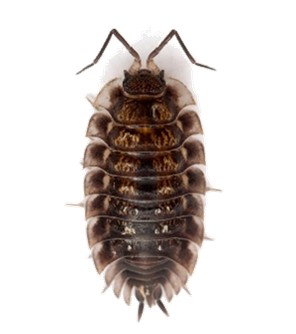
Pillbugs and sowbugs are not insects; they are land-dwelling crustaceans related to shrimp and lobsters. Measuring 8.5 to 18 mm long, they have segmented, hard-shelled bodies, two antennae, and seven pairs of legs. Pillbugs can roll into a ball for protection, while sowbugs cannot.
Size: 8.5 to 18 mm long (adults) / Around 1.5 cm long.
Colour: Slate grey.
Description: These humpbacked, oval crustaceans appear to be covered with segmented armour. You can distinguish a pillbug from a sowbug by their ability to roll up into a little ball when alarmed.
Order/Family: Crustacea/Isopoda.
Scientific Name: Armadilidum vulgare/Procellio laevis Koch.
Pillbugs roll into a tight ball (a defense called conglobation) when threatened, sowbugs can’t.

- Pillbugs and sowbugs are the only crustaceans that have adapted to live their whole life on land.
- They breathe through gills, which is why they must stay in damp environments to survive.
- They can live for up to five years, quietly multiplying in hidden, damp spaces like basements.
- They often enter homes in large numbers after heavy rain or when the ground becomes too dry.
- When crushed, they release a foul odor and leave behind stains on walls or floors.
Behaviour, Habitat & Diet
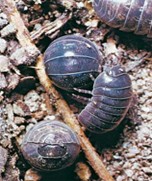
Behavior:
These pests are nocturnal and seek dark, damp places to hide during the day. They breathe through gill-like structures, so they must stay in moist environments. Indoors, they gather in basements, crawl spaces, or near foundations, especially after heavy rains.
Habitat:
Commonly found under mulch, stones, logs, and compost outdoors, they enter homes through cracks and gaps when conditions are too wet or dry. Indoors, they settle in areas with excess moisture like laundry rooms and bathrooms.
Diet:
Pillbugs and sowbugs feed on decaying organic matter, leaves, mulch, wood, and fungi. In high numbers, they may attack live seedlings or houseplants and can leave stains and odors when crushed indoors.
Pillbugs eat decaying matter, helping recycle nutrients into the soil, but indoors, they’re a nuisance.
Life Cycle
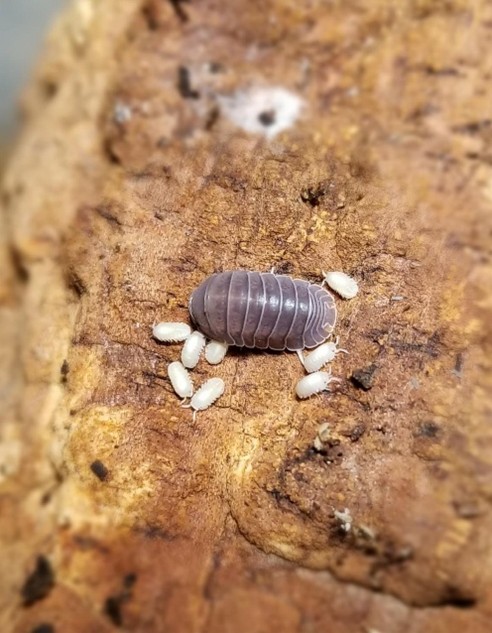
Pillbugs and sowbugs undergo incomplete metamorphosis, gradually developing into adults through multiple molts. Their slow, steady growth allows populations to multiply quietly in moist, hidden areas.
Egg Stage
- Females carry 20–200 eggs in a brood pouch (marsupium) under their body.
- Eggs remain protected for 3–4 weeks before hatching.
Hatchling Stage (Manca)
- Mancas are tiny, pale versions of adults with fewer legs and segments.
- They stay in the pouch for several days to a week before emerging.
Juvenile Stage
- Mancas molt repeatedly, gaining body segments and legs with each molt.
- Full development takes months to over a year, depending on conditions.
Adult Stage
- Adults live 2 to 5 years and reproduce multiple times per year.
In ideal conditions, populations grow steadily and often go unnoticed until infestation.
A single female can carry up to 200 eggs in a pouch under her body like a built-in nursery.
Creeping in the Cracks? Don’t Let Pillbugs & Snowbugs Take Over Your Space.
Our licensed technicians will find and eliminate the source, seal entry points, and apply protective barriers to keep them out for good.
FREQUENTLY ASKED QUESTIONS ABOUT PILLBUGS AND SOWBUGS
These moisture-loving land crustaceans usually live outdoors under mulch, stones, or logs. They sneak indoors through cracks and gaps when conditions outside are too wet or too dry, especially in basements, laundry rooms, and crawl spaces.
While they don’t bite or spread disease, they can stain surfaces, damage young plants, and become a serious nuisance when they invade in large numbers, often a sign of excessive moisture in or around your home.
Frequent sightings in damp indoor areas, especially groups of small, armored bugs near drains or along walls are strong signs of an infestation. If you’re vacuuming them up daily, it’s time to act.
DIY methods may offer short-term relief, but without addressing moisture sources and entry points, infestations return. Professional treatment targets the source and prevents future problems.
Our certified technicians inspect your property inside and out, eliminate the bugs at their source, seal entry points, and apply safe barrier treatments to keep them out for good.