

Biology
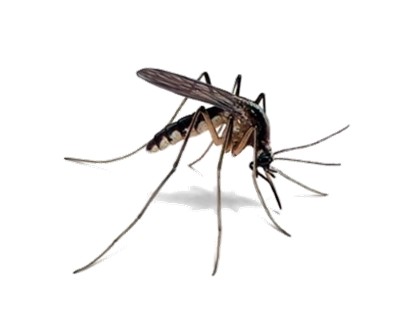
Tiny Bodies, Serious Threats. Mosquitoes belong to the family Culicidae. These small insects (3–6 mm long) have slender bodies, long legs, scaled wings, and a sharp, piercing proboscis. Only female mosquitoes bite, feeding on human or animal blood to develop eggs, while males feed exclusively on nectar.
Canada is home to over 82 mosquito species, with more than 2,500 species worldwide. While not all mosquitoes carry disease, some act as dangerous vectors, spreading viruses through their bites. According to the World Health Organization (WHO), the known mosquito-borne viruses currently present in Canada include West Nile virus and St. Louis encephalitis. These viruses can cause serious neurological complications and often go undetected until symptoms appear.
Even a single bite from an infected mosquito can pose a health risk to you and your family, which is why professional mosquito control isn’t just about comfort; it’s about protection.
- The best way to prevent mosquito-borne viruses is to avoid mosquito bites.
- A single female can lay 300+ eggs per batch, repeating this several times.
- Mosquitoes can breed in just a bottle cap of water.
- They detect humans from over 50 meters away.
- Mosquitoes kill 700,000+ people each year through disease transmission.
- Some can hibernate inside your home and emerge when conditions improve.
Behaviour, Habitat & Diet
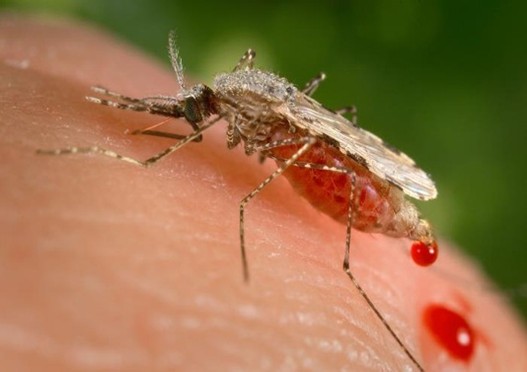
Behavior:
Built to track, bite, and survive. Mosquitoes are expert hunters, using body heat, scent, and carbon dioxide to locate their next meal. Once inside your space, they hide in shaded, moist areas and can return day after day if not professionally eliminated.
Habitat:
Mosquitoes thrive in areas with stagnant water puddles, clogged gutters, flowerpots, and more. Their breeding sites are often hidden in plain sight, and their resting spots are shady corners both outdoors and indoors. Some can hibernate inside your home and emerge when conditions improve.
Diet:
While female mosquitoes bite to develop eggs, both males and females feed on plant nectar. But don’t be fooled, one blood meal can lead to hundreds of new eggs and a growing infestation.
Mosquito saliva causes itching, swelling, and in some cases, serious allergic or viral responses.
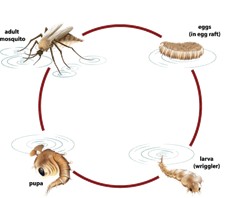
The mosquito’s life cycle moves fast, especially in warm, wet conditions. With just a few days between stages, a small puddle can turn into a swarm before you even notice.
Egg Stage
- Laid on or near water in clusters or rafts.
- Hatch within 24–48 hours or stay dormant until moisture returns.
Larva Stage
- Aquatic, active, and air-breathing.
- Feed on organic matter and molt four times.
- Develop in 5–14 days depending on temperature.
Pupa Stage
- Do not feed but remain mobile.
- Develop into adults in as little as 2 days.
Adult Stage
- Emerge, rest, and begin biting within hours.
- Females live up to 6 weeks, laying hundreds of eggs in their lifetime.
The life cycle from egg to adult can take less than 10 days if the temperature is right. The ideal temperature is between 22° and 27°C.
Don’t Let Mosquitoes Bite, Breed, and Take Over Your Yard.
Our licensed technicians will target breeding zones, eliminate mosquitoes at every life stage, and apply safe, effective barriers to keep them away.
📞 Book Your Mosquito Control Today — Before the Next Bite Hits.
FREQUENTLY ASKED QUESTIONS ABOUT MOSQUITOES
Signs include frequent mosquito bites, increased mosquito activity around your property, and stagnant water sources where mosquitoes breed.
Mosquitoes can be a nuisance and are known to transmit diseases such as West Nile virus, Zika virus, and dengue fever, posing health risks to you and your family.
The best time for mosquito control is typically in spring and early summer when they start breeding. Regular treatments throughout the season can help maintain control.
We use a combination of targeted treatments, including larvicides and adulticides, along with preventive measures to reduce breeding sites and keep your outdoor areas mosquito free.
Yes. At Eradicare, we prioritize safety and use eco-friendly methods that effectively control mosquito populations while being safe for pets and children.
The effectiveness of treatments can last several weeks, depending on environmental conditions and mosquito populations. Regular maintenance treatments are recommended for optimal results.
Yes. You can reduce mosquito populations by eliminating standing water, using screens on windows and doors, and maintaining your yard. However, professional treatments can provide more comprehensive control.