

Biology
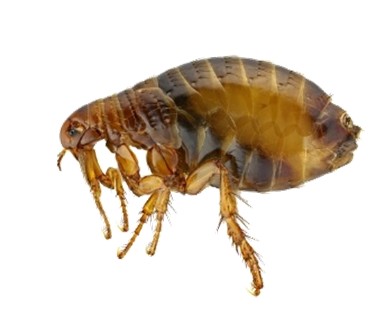
Fleas are small, wingless insects typically measuring 1.5 to 3.3 mm in length. They have flattened bodies covered with tiny spines and bristles, which help them move easily through the fur or feathers of their hosts. Fleas possess powerful hind legs that enable them to jump impressive distances up to 15 cm vertically and 40 cm horizontally.
Size: Around 1.5 to 3.3 mm.
Colour: Brownish black in colour. Once they’ve fed, they get a reddish.
Description: Small flightless insects surviving as external parasites of mammals and birds.
Order/Family: Siphonaptera/Pulicidae.
Scientific Name: Ctenocephalides felis/Ctenocephalides canis.
Flea eggs fall off your pet and hide in your carpets and bedding making infestations tough to detect and even harder to eliminate.

- A single flea can lay up to 50 eggs per day, leading to hundreds within weeks.
- Fleas can jump over 100 times their body length, easily moving between hosts and rooms.
- Flea eggs fall off pets and hatch in your carpet, bedding, and cracks hidden from plain sight.
- Flea larvae survive on dried blood and skin flakes, thriving in your home’s darkest corners.
- Fleas bite repeatedly, causing itching, allergies, and can spread serious diseases like typhus and tapeworms.
Behaviour, Habitat & Diet
Behavior
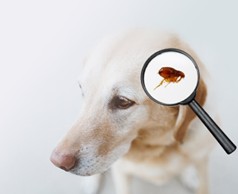
Fleas are external parasites; they often hitch a ride on pets after picking them up in grassy or infested outdoor areas. Once inside your home, fleas feed, reproduce, and can quickly multiply, causing discomfort to both pets and humans. Their bites cause itching and irritation and may trigger allergic reactions.
Habitat
While adult fleas live on their animal hosts, eggs, larvae, and pupae develop often in pet bedding, carpets, cracks in flooring, or shaded outdoor areas. Fleas thrive in warm, humid environments where pets frequently rest or spend time.
Diet
Adult fleas feed exclusively on blood from their hosts using their specialized mouthparts. Flea larvae, however, feed on organic debris such as dried blood, skin flakes, and flea feces found in their surroundings.
Fleas don’t just cause itching, they spread fast, bite often, and can make your pets miserable.
Life Cycle
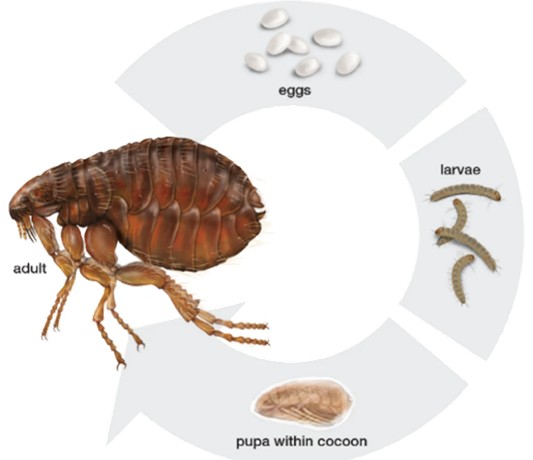
Fleas undergo four stages, egg, larva, pupa, and adult, each with unique behaviors that impact control efforts.
Egg Stage
- Laid on pets but fall off into carpets, bedding, or soil.
- Eggs hatch in 2–14 days.
- A female can lay up to 50 eggs
Larva Stage
- Small, worm-like larvae feed on organic debris (including flea feces) in dark, hidden areas for 5–20 days as they grow and molt.
Pupa Stage
- Larvae spin protective cocoons and enter dormancy, lasting days to months.
- Pupae resist treatment and emerge when sensing a host nearby.
Adult Stage
- Fleas jump onto hosts to feed on blood.
- Begin laying eggs within 1–2 days, and live weeks to months depending on conditions.
Common DIY flea treatments often miss eggs and pupae. That’s why fleas keep coming back. Professional treatment is the only way to fully get rid of them.
Protect Your Pets & Home From Fleas — Call Now for Fast Relief!
Our certified professionals will inspect, eliminate, and protect your home and pets from fleas with safe, pet-friendly solutions.
REQUENTLY ASKED QUESTIONS ABOUT FLEAS
Fleas reproduce rapidly, one flea can lay up to 50 eggs a day. What starts as a few can turn into a full-blown infestation in just weeks. Early treatment prevents the problem from spreading.
Yes. Fleas bite frequently, causing severe itching, allergic reactions, and can transmit diseases like tapeworms and typhus. Both pets and humans are at risk.
Most DIY methods only kill adult fleas. They often miss hidden eggs and larvae, leading to recurring infestations. Professional treatment targets the entire life cycle.
Our certified technicians perform a thorough inspection, treat both indoor and outdoor areas, and apply safe, pet-friendly products that eliminate fleas at every stage, from eggs to adults.
Absolutely. We use Health Canada–approved, eco-conscious products that are effective yet safe for your entire household.
Many clients notice fewer fleas within 24–48 hours, with full control achieved after follow-up and preventive measures.