

Biology
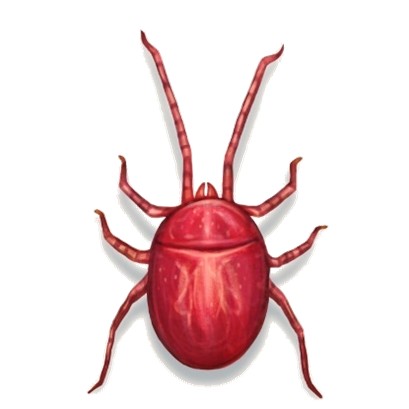
Clover mites are tiny arachnids, about 0.25 mm long, often reddish, but may also appear olive, orange, or greenish brown after feeding. Their long front legs, often mistaken for antennae, make them easy to recognize.
They reproduce without males. Under ideal conditions, they reach maturity in about 30 days, allowing rapid population growth. While harmless, crushing them can leave noticeable red stains on surfaces.
- Size: Up to 0.25 mm long.
- Colour: Reddish, reddish-brown, olive, pale orange, or even greenish-brown.
- Description: Oval shaped arachnids with a pair of long legs pointing forward. These are often mistaken for antennae.
- Order/Family: Trombidiformes/Tetranychidae.
- Scientific Name: Bryobia praetiosa.
A single female can lay up to 70 eggs, leading to causing rapid infestations that peak in spring and fall, quickly overwhelming homes.

- Clover mites aren’t insects, they’re arachnids, closely related to spiders and ticks.
- They can reproduce without males; a single female can lay up to 70 eggs without mating.
- Clover mites are smaller than a pinhead yet can invade homes in the thousands during spring and fall.
- After feeding on plants, they may turn greenish-brown, making them harder to identify.
- Crushing them leaves red stains on furniture, curtains, and walls that are nearly impossible to clean.
Behaviour, Habitat & Diet

Behavior
Clover mites are tiny, fast-moving arachnids that invade homes in large numbers during spring and fall. They don’t bite or damage structures but leave red stains when crushed, making them a major nuisance.
Habitat
They thrive in fertilized lawns and use grass touching exterior walls to enter buildings. Eggs are laid in cracks near windows, siding, and foundations, where they hatch under favorable conditions.
Diet
Clover mites feed on grass, clover, and other plants, especially in over-fertilized areas. They do not eat human food, fabrics, or pets, and don’t spread disease.
They're nearly invisible, but the red stains they leave behind are hard to miss and harder to remove.
Life Cycle
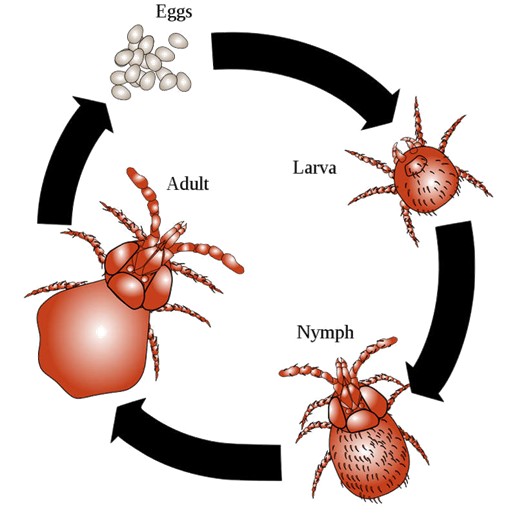
Clover mites reproduce through parthenogenesis females lay eggs without mating.
Egg Stage
- Each female can lay up to 70 eggs.
- Eggs typically hatch within 10 to 14 days.
Development Stage
- Newly hatched go through several stages, maturing in about 30 days.
- Gradually increase in size and develop their long front legs.
Multiple
Generations
- Clover mites can produce several generations per year, especially during spring and fall.
- This leads to rapid population growth and increased chances of infestation.
Clover mites swarm silently, multiplying rapidly until thousands invade your home, often before you even notice.
Don’t Let These Tiny Red Pests Take Over Your Home.
Call Eradicare today! Our licensed professionals will inspect your home, eliminate clover mites hiding around windows and walls, and put preventative measures in place to keep them out for good.
FREQUENTLY ASKED QUESTIONS ABOUT CLOVER MITES
Clover mites enter through tiny cracks near windows and siding, especially in spring and fall when their populations explode. Once inside, they multiply rapidly and become a nuisance.
Clover mites don’t bite or carry disease but crushing them causes stubborn red stains on walls and furniture that are tough to remove.
DIY methods often fail because clover mites hide in tiny cracks and reproduce quickly. Professional treatment is the best way to eliminate them and prevent re-infestation.
A single female can lay up to 70 eggs, with multiple generations each year, allowing infestations to grow from a few mites to thousands in weeks.
Our licensed experts provide thorough inspections, targeted treatments, and ongoing prevention plans to keep your home mite-free, quickly and safely.