

Biology
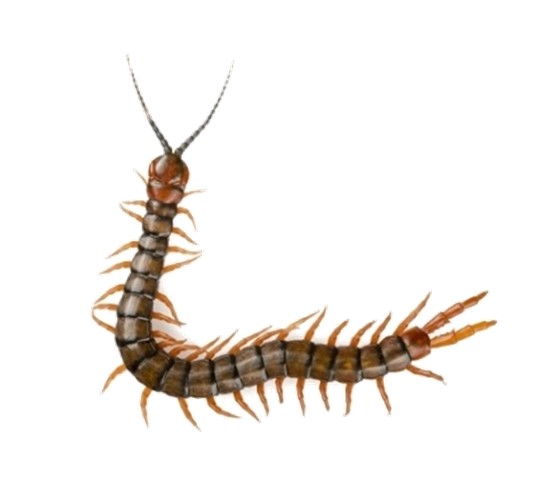
Centipedes are fast, nocturnal arthropods with long, segmented bodies and 15 to 300 legs, always an odd number. They use venomous front legs (forcipules) to paralyze prey. Though their appearance is alarming, their venom is generally harmless to humans.
They breathe through body openings (spiracles) and need moisture to survive, which is why they’re often found in damp basements and bathrooms.
Common Types: House centipedes, soil centipedes, and stone centipedes.
Most species live 1 to 6 years and may overwinter indoors in colder regions like Canada.
- Size: 2.5 to 15 cm long.
- Colour: Mostly brownish or orange brown.
- Description: Arthropods with flattened bodies. Two antennae and one pair of thin legs per body segment for speedy movement.
- Order/Family: Geophilomorpha/Oryidae.
- Scientific Name: Chilopoda.
House Centipede (Scutigera coleoptrata), is the most common indoor species in Canada.

- Centipedes use venomous front legs to paralyze prey like spiders, ants, and even cockroaches.
- Some species can regenerate legs if injured or attacked.
- While not dangerous, a centipede bite can cause swelling and a burning sensation, especially from larger species.
- Centipedes thrive in damp places, making bathrooms, basements, and crawl spaces ideal hiding spots.
Behaviour, Habitat & Diet
Behavior
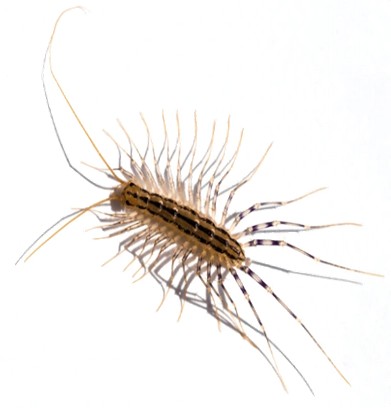
Centipedes are fast, nocturnal hunters that use ambush tactics and venomous front legs to paralyze prey. They avoid human contact but may bite if provoked. As they mature, they grow additional leg segments.
Habitat
They thrive in moist, dark areas with plenty of cracks such as basements, garages, bathrooms, and mulched gardens. Indoors, they’re drawn to damp environments and easy hiding spots.
Diet
Centipedes are predators that feed on spiders, ants, beetles, moth larvae, worms, and even other centipedes. Their presence often indicates an abundance of other pests in the home.
Centipedes don’t just hide, they hunt. If you’re seeing one, chances are it's feeding on other pests already living in your home.
Life Cycle
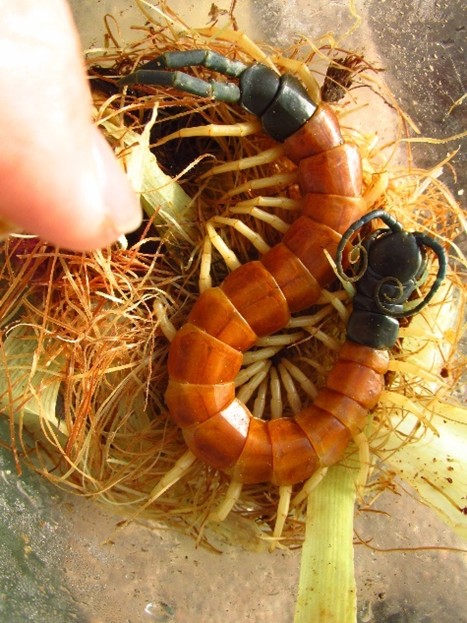
Most beetles undergo complete metamorphosis; egg, larva, pupa, and adult, with life cycle duration and behaviors varying significantly by species.
Egg Stage
- Females lay dozens to hundreds of eggs near food or shelter.
- Eggs hatch in 2–10 days, depending on species and temperature.
Larva Stage
- Larvae feed aggressively on wood, fabric, or stored food.
- Wasp larvae are fed protein by adults and fully depend on them.
- This stage lasts weeks to months.
Pupa Stage
- Larvae pupate in soil, crevices, or food sources.
- Pupation lasts 1–4 weeks, sped up by warmer temperatures.
Adult Stage
- Adults live weeks to years, feed, mate, and lay eggs.
- Multiple generations may occur annually in warm climates.
Centipedes reproduce quickly, one female can lay dozens of eggs in hidden, moist areas, allowing infestations to grow silently and rapidly before you even notice.
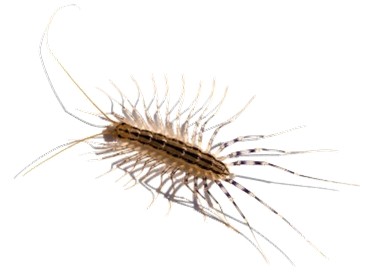
House Centipede
Size: 20 to 50 mm in length.
Colour: Yellowish grey with dark stripes and long, banded legs.
Habitat: Commonly found indoors in damp areas like basements, bathrooms, and under sinks. Prefers dark, humid spaces and often hides in wall voids.
Behaviour: Fast, nocturnal, and active hunters. Use venomous front legs to paralyze prey. Pose no harm to humans.
Diet: Feeds on ants, spiders, cockroaches, bed bugs, and other household insects.
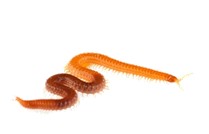
Soil Centipede
Size: 15 to 40 mm in length.
Colour: Pale yellow to light brown.
Habitat: Lives in soil, mulch, compost, and under stones. Occasionally found indoors in overly damp environments.
Behaviour: Slower-moving and rarely seen. Avoids light and hides deep in organic matter.
Diet: Eats small insects, larvae, and soft-bodied invertebrates found in the soil.
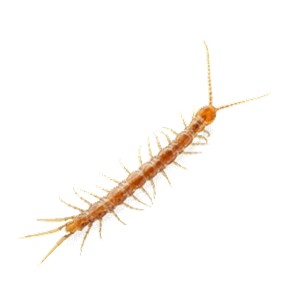
Stone Centipede
Size: 15 to 30 mm in length.
Colour: Reddish-brown with a flattened body.
Habitat: Under rocks, logs, and leaves. May wander indoors during wet or cold weather.
Behaviour: Quick and aggressive when hunting. Uses venom to immobilize prey but is not dangerous to humans.
Diet: Spiders, springtails, insect eggs, and other small arthropods.
Stop Centipede Invasions Now with Eradicare’s Expert Control
Call Eradicare today! Our licensed professionals will inspect your home, eliminate centipedes hiding in cracks and damp spaces, and help prevent future infestations
FREQUENTLY ASKED QUESTIONS ABOUT CENTIPEDES
Centipedes are predatory arthropods that feed on insects like spiders, ants, cockroaches, moth larvae, and even other centipedes. They use venomous front claws to paralyze prey before consuming it.
They prefer damp, dark areas such as basements, crawl spaces, bathrooms, under mulch, firewood, rocks, or leaf piles. Indoors, they hide in cracks, baseboards, and behind stored items.
While most centipedes avoid humans, some species can bite if handled. The bite is rarely serious, but it can cause local pain or swelling, especially for those with allergies or sensitivities.
Many centipede species live 1 to 6 years, and some can survive up to 7 years under the right conditions—long enough for an infestation to grow and persist if untreated.
Centipedes lay dozens of eggs in moist, hidden areas. With the right conditions, they can establish fast-growing populations without ever being seen until it’s too late.
Yes. Centipedes often indicate a moisture issue or an existing insect infestation, since they feed on other pests. Seeing centipedes could mean you have bigger problems hiding nearby.