

Biology
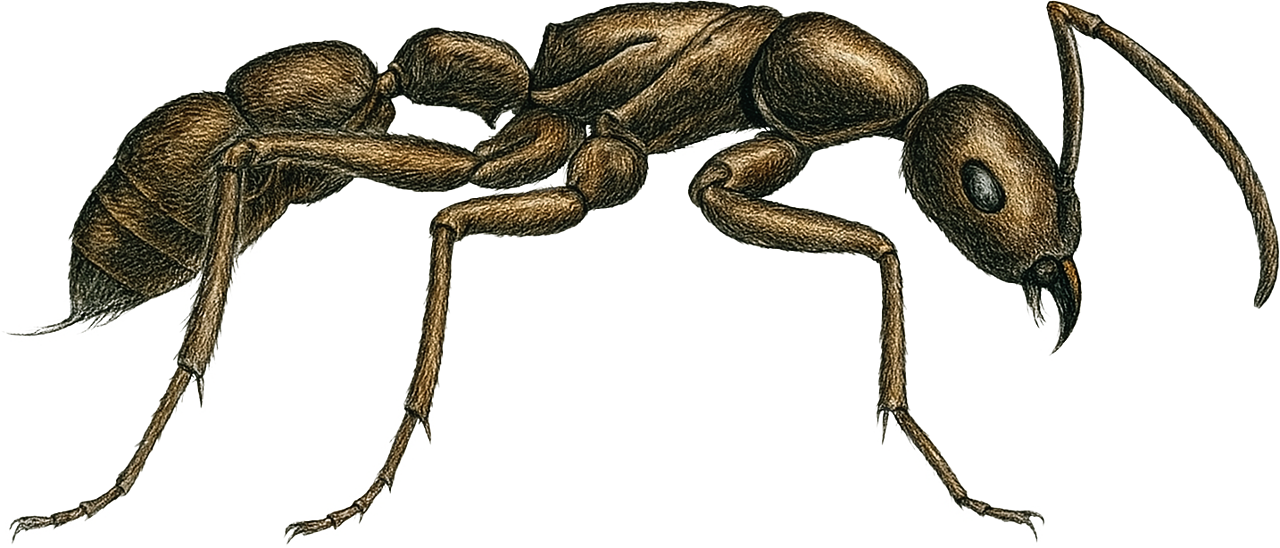
Ants belong to the Formicidae family, with over 100 species found in Canada. Their colonies operate with military-like efficiency, making them one of the hardest pests to eliminate without professional help.
Colony Structure:
- Queen Ants: The “heart” of the colony, capable of laying thousands of eggs and living for up to 15 years.
- Worker Ants: Sterile females that forage for food, build nests, and defend the colony.
Drones (Male Ants): Their only role is to mate with the queen, after which they die.
Once an ant colony is established, getting rid of visible ants won’t stop the infestation, the queen remains hidden deep in the nest, continuing to produce more ants.
- An ant colony can contain millions of ants, and some species have multiple queens.
- Killing a trail of ants doesn’t eliminate the nest; more will come back to replace them.
- Certain ant species can destroy wood just like termites, leading to expensive structural damage.
- Some ants can spread bacteria such as Salmonella and E. coli by contaminating food and surfaces.
- Ant infestations grow rapidly; a single fertilized queen can create a thriving colony in just a few weeks.
- Depending on the species, ants can lift 10 to 50 times their own body weight.
Behaviour, Habitat & Diet
Behaviour
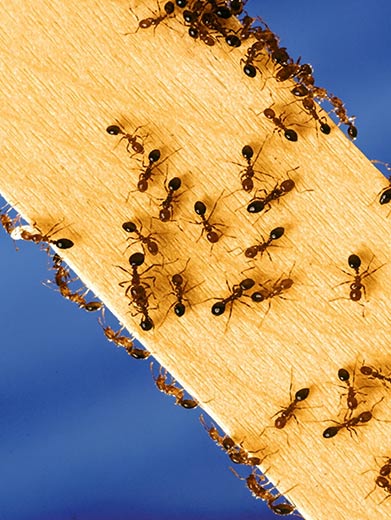
Ants are social and territorial insects that live in large colonies. Once a colony is established, ants can become highly persistent. They work together to forage, defend their territory, and expand their nests, often making them hard to control without professional treatment.
Habitat
Ants commonly nest in:
- Soil, wall voids, and wood structures
- Behind baseboards, under floors, and inside appliances
- Warm indoor spots like cupboards and wall interiors
In Canada:
- Carpenter ants damage wood structures
- Pharaoh ants thrive in heated indoor spaces
- Pavement and odorous house ants invade kitchens and bathrooms
Diet
Ants are constantly searching for food and are especially attracted to:
- Sugary items like juice or candy
- Greasy or fatty substances
- Protein-rich foods like meat or pet food
Even a few crumbs can trigger an ant infestation, and once ants find food in your home, they mark the area with pheromones, leading even more ants inside.
Life Cycle
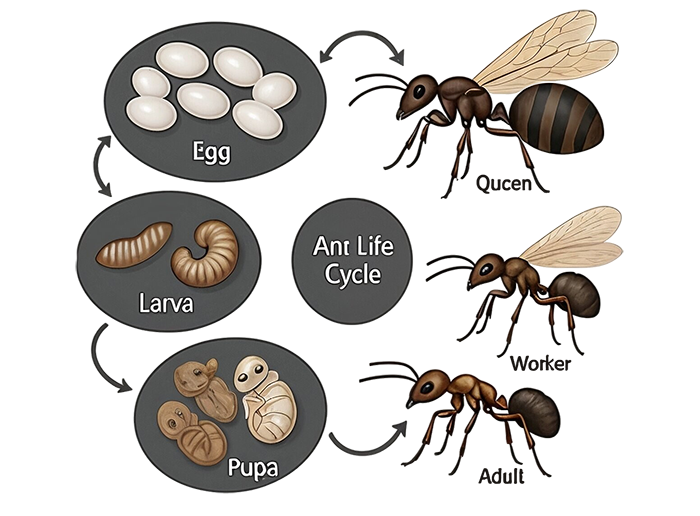
Ants develop through four distinct stages:
Egg Stage
- Tiny, oval-shaped and laid by the queen
- Hatches within a few days
Larva Stage
- Legless, worm-like stage
- Fed by worker ants until ready to pupate
Pupa Stage
- Transformation stage, sometimes in a cocoon
- Begins to develop adult features
Adult Stage
- Becomes a worker, queen, or male
- Queens live for several years and lay thousands of eggs
- Workers live weeks to months, depending on the species
In just weeks, a hidden ant colony can grow into tens of thousands of ants invading walls, floors—even electrical outlets.
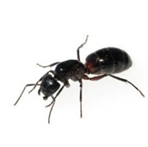
Carpenter Ant
Size: 6 to 25 mm mm in length.
Colour: Usually black; some are red, brown, or a mix of red and black.
Habitat: Prefer damp, decaying, or moisture-damaged wood. Common nesting sites include wall voids, attics, decks, window frames, and structural beams.
Behaviour: Active mostly at night. Carpenter ants hollow out wood to build their nests but do not eat it.
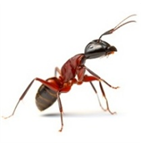
Fire Ant
Size: 1.6 to 5 mm in length.
Colour: Reddish-brown with a darker stinger.
Habitat: Nest outdoors in sunny, open areas such as lawns, gardens, and fields. Build visible mound nests. Rarely found indoors unless displaced by flooding or disturbance.
Behaviour: Highly aggressive when defending their nests. Their sting feels like a wasp sting and can cause a painful reaction.
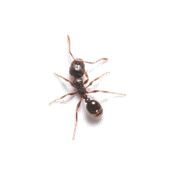
Pavement Ant
Size: 2.5 to 3 mm in length.
Colour: Dark brown to black with lighter legs.
Habitat: Nest under sidewalks, driveways, concrete slabs, and stones outdoors. Indoors, they nest within wall voids, insulation, and under floors.
Behaviour: Forage in long trails, especially in kitchens and around food sources.
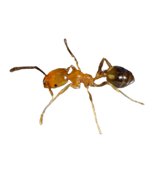
Pharaoh Ants
Size: 1.5 to 2 mm in length.
Colour: Pale yellow to reddish with darker abdomens.
Habitat: Prefer warm, humid areas inside buildings. Commonly nest in wall voids, behind baseboards, under floors, and in electrical outlets.
Behaviour: Often go unnoticed due to their small size. Difficult to control, once established indoors.
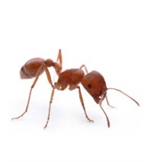
Red Harvester Ant
Size: 5 to 7 mm in length.
Colour: Typically, red with light and dark variations.
Habitat: Build deep underground nests in dry, open areas like fields, gardens, and yards. Nests appear as bare, circular patches with a central hole.
Behaviour: Known for collecting seeds and clearing large areas around nest entrances.
Say Goodbye to Ants with Eradicare.
Don’t let ants take over your space! Call Eradicare today! Our experienced exterminators will assess your situation, implement a targeted solution, and ensure your property is protected from future invasions.
FREQUENTLY ASKED QUESTIONS ABOUT ANTS
Ants enter homes primarily in search of food and water. Factors such as accessible food sources, moisture, and unsealed entry points can attract them indoors.
Ant activity varies by species and region, but generally, ants are most active from March to October. During these warmer months, they forage for food and expand their colonies.
Ants can contaminate food, damage property, and some species may deliver painful stings. For example, carpenter ants can compromise the structural integrity of wooden structures by excavating wood to build their nests.
While most ants are not harmful to pets, some species, like fire ants, can deliver painful stings that may cause allergic reactions in animals.
Yes, species like carpenter ants can damage wooden structures by excavating wood to create nests, potentially compromising structural integrity over time.
If you’re looking for the most effective way to eliminate ants, follow these steps:
- Seal All Entry Points: Because ants can squeeze through the tiniest gaps in windows, doors, or foundations, promptly seal any cracks to block their entry.
- Clean Up Messes Immediately: Clear dinner plates and wipe away crumbs from tables, counters, and floors right after meals to remove food residues that attract ants.
- Store Food in Airtight Containers: Keep fruits, vegetables, and other edibles securely sealed to prevent ants from detecting and feasting on them.
- Clean Pet Feeding Areas: Wash pet food bowls and clean the surrounding floor between meals, as ants are drawn to any accessible food.
- Maintain Your Yard: Trim trees and bushes away from your home and seal any exterior gaps to minimize potential entry points for ants.
If you’ve attempted DIY methods without success, or if the infestation is extensive, it’s advisable to consult a professional exterminator. Professionals can identify the ant species and implement targeted treatments to eliminate the colony effectively.
Observing physical characteristics such as size, color, and behavior can aid in identification. Consulting with a pest control professional can provide an accurate assessment.